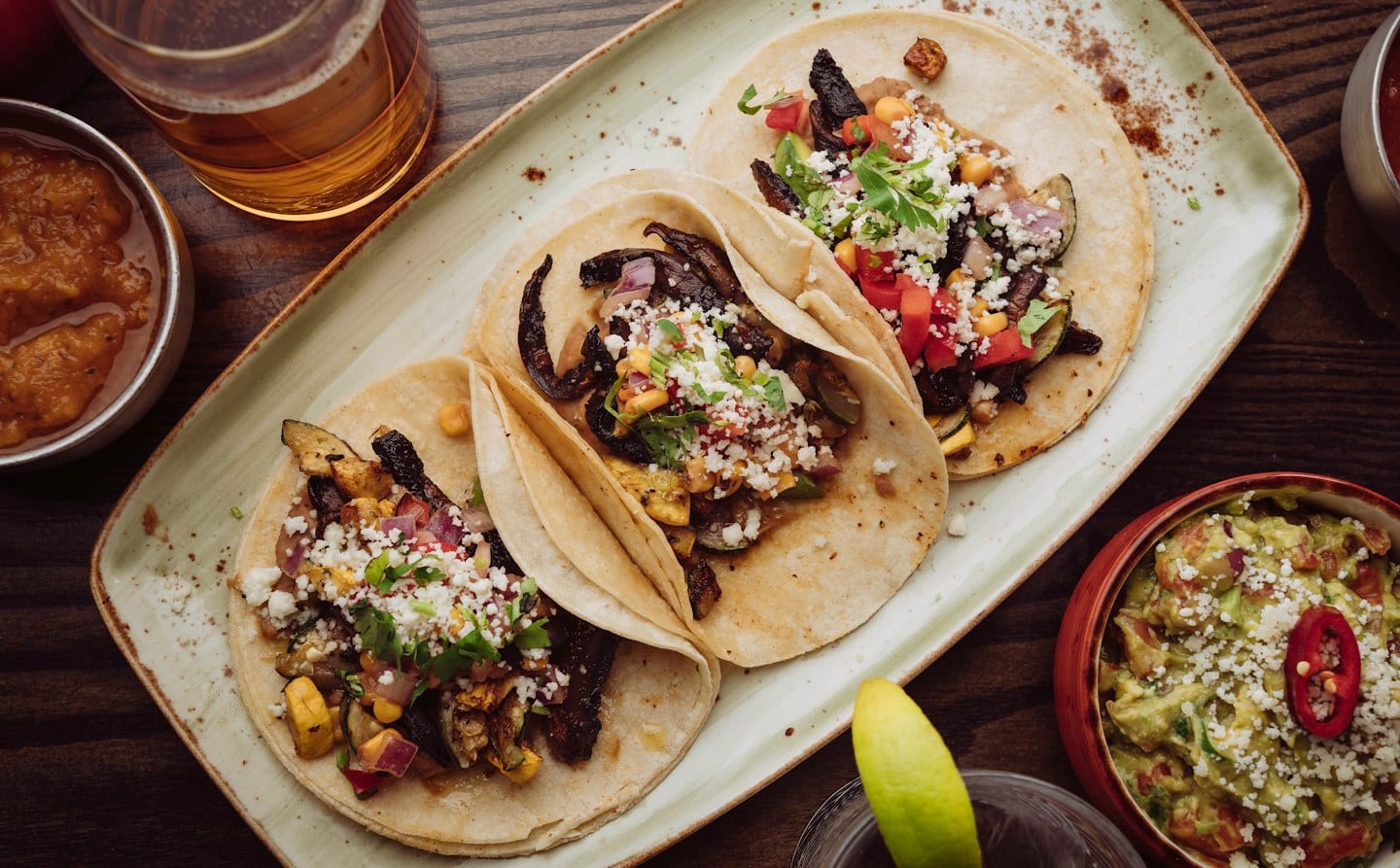
A heavy ceramic plate, a shared carafe of wine, and a table full of small, intricate bites. A tasting menu is designed to be an event, a way to navigate new flavors together. However, as the dishes arrive, the atmosphere can shift from communal enjoyment to a subtle, unintended tension. The question often arises: are we here to enjoy the food, or are we here to judge it?
Navigating the Group Dynamic
When organizing a meal for friends or colleagues, the logistics of choice can become a point of friction. You may find yourself trying to balance a diverse group of appetites and dietary preferences. For example, if you are selecting a venue, you might face a tradeoff between a highly structured multi-course experience and a more flexible, à la carte arrangement. A structured menu offers a curated journey, but it leaves little room for those who might find a specific ingredient unappealing or a portion size unexpected.
To manage this, consider what elements of the meal can remain optional. Instead of forcing a rigid sequence, look for settings that allow for individual discretion within a shared framework. This prevents the meal from feeling like a mandatory curriculum and allows the group to lean into what they actually enjoy.
Focusing on Personal Sensation
In group settings, conversation can sometimes shift toward comparing opinions or attempting to reach a consensus on the quality of a dish. When one person declares a dish a success and another finds it lacking, the dialogue can move away from the sensory experience and toward a debate over which opinion is more valid.
Imagine a group of four friends sitting in a quiet corner of a local bistro. As a dish featuring a bright, citrus-forward reduction arrives, one person identifies the acidity as the highlight. Another finds it overwhelming. Rather than debating the quality of the sauce, the conversation stays focused on personal preference. One might say, "I find the citrus quite sharp," while another responds, "I prefer the richness of the base element." By focusing on individual observations rather than collective rankings, the group maintains a shared experience rather than a scorecard.
Preparing for the Evening
A successful evening relies on setting the tone before the first course is even served. If you are the host, you can steer the energy by how you frame the meal. You might ask your guests what specific flavors they are looking forward to, or inquire if there are particular textures they prefer to avoid.
If the menu is particularly complex, you could ask the server how the kitchen handles substitutions for specific components. Ultimately, the most memorable evenings are those where the food serves as a backdrop to the company. By choosing a set of dishes that allows for individual preference and keeping the dialogue centered on personal sensation, you transform a simple meal into a lasting connection. Focus on the shared moment, and let the flavors speak for themselves.