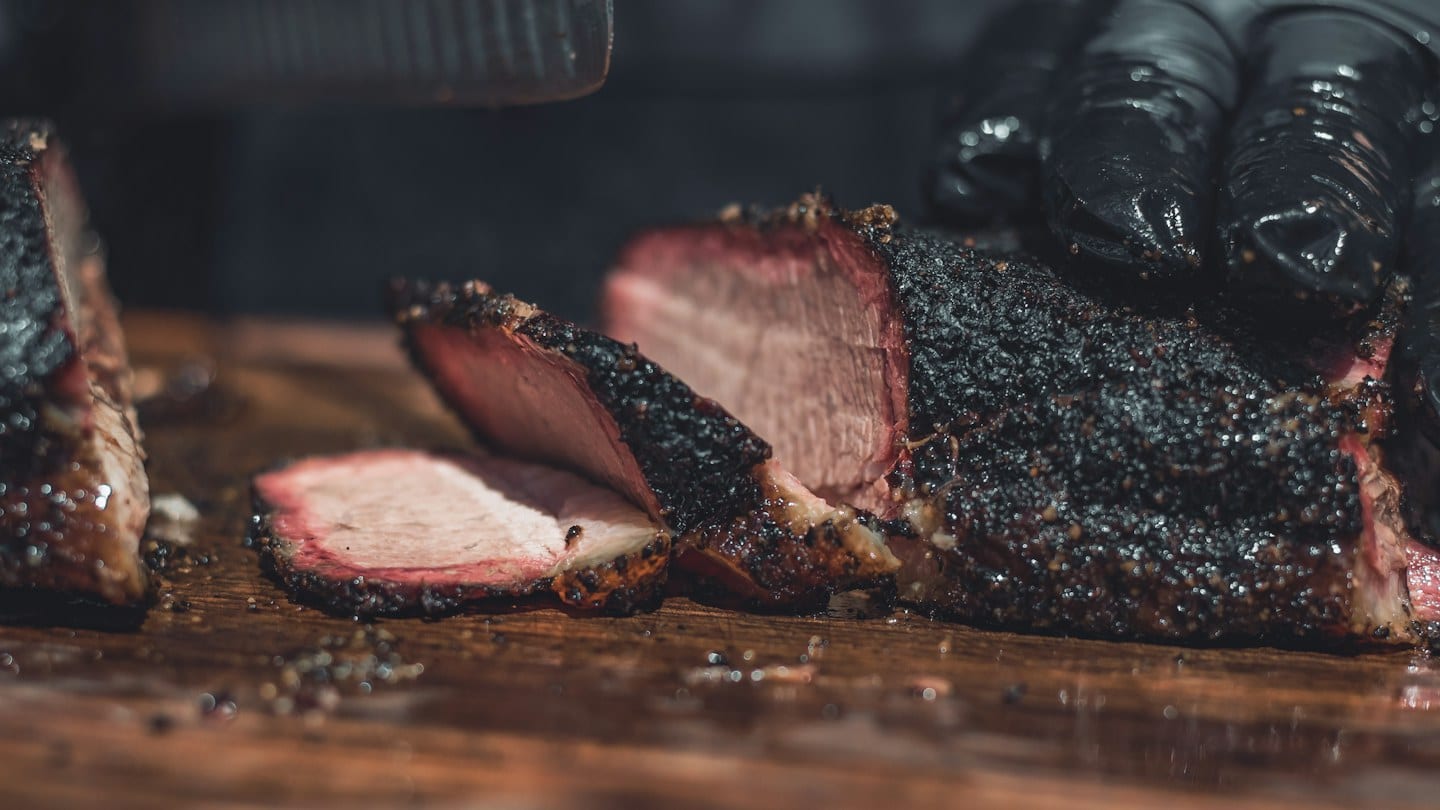
A dining room table in Dallas serves as more than a place to eat; it is a central hub for connection. However, the rhythm of the evening often shifts when the host becomes a permanent fixture of the kitchen rather than a participant in the conversation. To ensure the person who organized the gathering actually enjoys the meal, the planning must move beyond a simple invitation and into a coordinated strategy of shared responsibilities.
Defining the Menu Boundaries
The first step in a successful shared dinner is deciding how much of the menu remains the host's personal domain. While it is tempting to curate every flavor, a host who eats with their guests benefits from a menu that allows for modularity. You might choose a central protein or a primary grain, but leave the surrounding elements to others. This creates a balance between your culinary vision and the practical reality of a group effort.
Consider the tradeoff between a highly specific, multi-course meal and a flexible, component-based spread. A rigid menu requires the host to manage every timing detail, whereas a collection of complementary dishes allows for a more relaxed atmosphere. For example, if you decide on a specific theme, ask your guests what specific elements they can bring that align with that direction without overlapping.
Negotiating Contributions
The tension in many gatherings arises from a lack of clarity regarding what is essential and what is optional. When a group decides what it can leave optional, they are essentially deciding the level of formality for the evening. If the goal is a casual connection, certain side dishes or specific beverage types might be categorized as 'nice to have' rather than 'required.'
Imagine a scenario where a group of six is planning a seasonal gathering. If the host provides the main course and the seating, the group must decide if every guest is responsible for a dish, or if some contribute only beverages or desserts. If everyone brings a heavy dish, the table may become cluttered and the meal unbalanced. Ask your guests to confirm exactly what they intend to bring so you can identify any gaps in the spread before the night begins.
Separating Prep from Service
True hospitality for the host involves a clear distinction between preparation tasks and serving arrangements. If you are the one cooking, you cannot easily be the one pouring wine or clearing plates. To avoid this, discuss the logistics of the service itself before anyone arrives.
Will guests serve themselves from a sideboard, or will there be a designated person to help plate the food? You might ask your most reliable guest if they would be willing to manage the beverage station or oversee the transition from the main course to dessert. By delegating the 'service' aspect of the evening, you ensure that once the food is ready, your only remaining task is to pull up a chair and join the conversation.