The arrival of a friend from out of town often triggers a mental inventory of every landmark, restaurant, and park within driving distance. There is a natural impulse to provide an exhaustive itinerary to prove how much life has changed since their last visit. However, the most successful outings often stem from a single, well-chosen anchor rather than a relentless march of scheduled activities. Planning for a visitor is less about the map and more about the rhythm of the day.
The Anchor and the Option
Rather than attempting to cover three different neighborhoods in a single afternoon, consider selecting one primary destination that serves as the heartbeat of the trip. This might be a specific stroll through a shaded park, a visit to a particular gallery, or a long lunch at a local haunt. By centering the visit around one meaningful event, you create a sense of purpose without the pressure of constant movement.
A common point of tension arises when deciding how to structure these visits: what can be left optional? A heavy schedule can feel like a series of obligations, whereas a light schedule can feel aimless. The solution lies in designating a "main event" while treating everything else as a suggestion. This structure respects the guest's autonomy and allows for the natural ebb and flow of social energy.
Balancing Depth and Energy
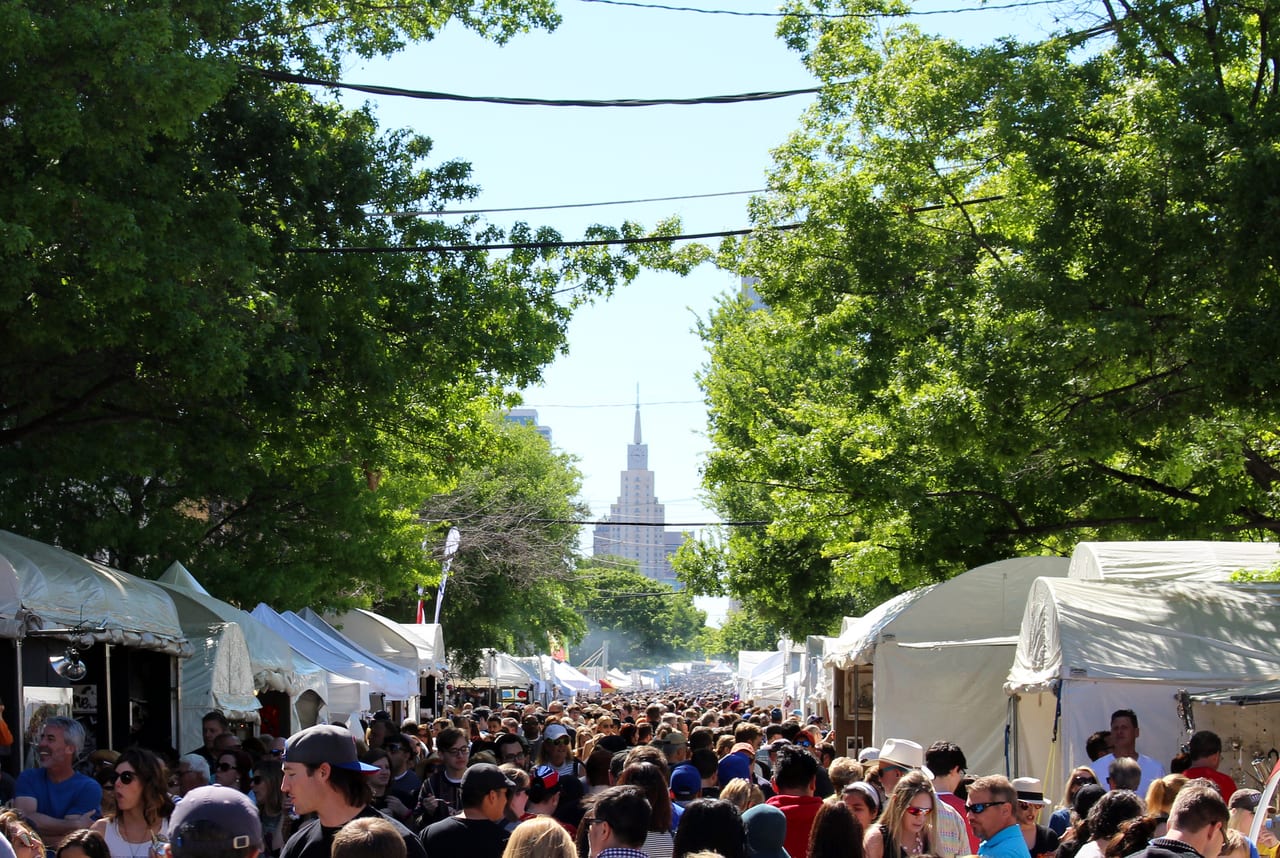
A significant tradeoff exists between the desire to be a high-energy guide and the reality of travel fatigue. If you pack the schedule with high-sensory environments—such as crowded markets or loud, bustling districts—you may find that by mid-afternoon, your guest is more interested in a quiet corner than a second attraction. The tradeoff is between breadth and depth. A wide itinerary offers more variety but risks leaving everyone feeling depleted. A narrow itinerary offers a deeper connection to a single place but might leave a guest wondering what else the area has to offer.
For example, if you decide to spend the morning exploring a large outdoor space, you might choose to leave the afternoon entirely open. This allows the group to decide based on the actual weather and the collective mood of the moment, rather than sticking to a rigid plan that no longer fits the reality of the day. This choice prioritizes the person over the destination.
Refining the Details
Before the guest arrives, the most effective preparation involves gathering information rather than making assumptions. Ask your visitor about their preferred pace and any specific environments they find particularly taxing or restorative. Do they thrive in busy, urban settings, or do they prefer the stillness of a residential street? Knowing these preferences helps you select an anchor plan that aligns with their temperament.
Once a location is chosen, verify the current details to avoid unnecessary friction. Ask the venue if they require reservations for the specific time you intend to arrive, and confirm if any recent changes to their access or hours might affect your plans. Confirming these small logistics ensures that the focus remains on the conversation and the company, rather than on the logistics of the outing itself.
The Shared Experience
The most polished way to host is to present a clear, singular suggestion and then leave the rest to chance. By asking your guest what they feel like doing after the main event, you transform a rigid schedule into a shared experience. Focus on the quality of the connection rather than the quantity of the sights. When you provide a solid foundation with a single, well-verified plan, you create the space necessary for genuine hospitality.