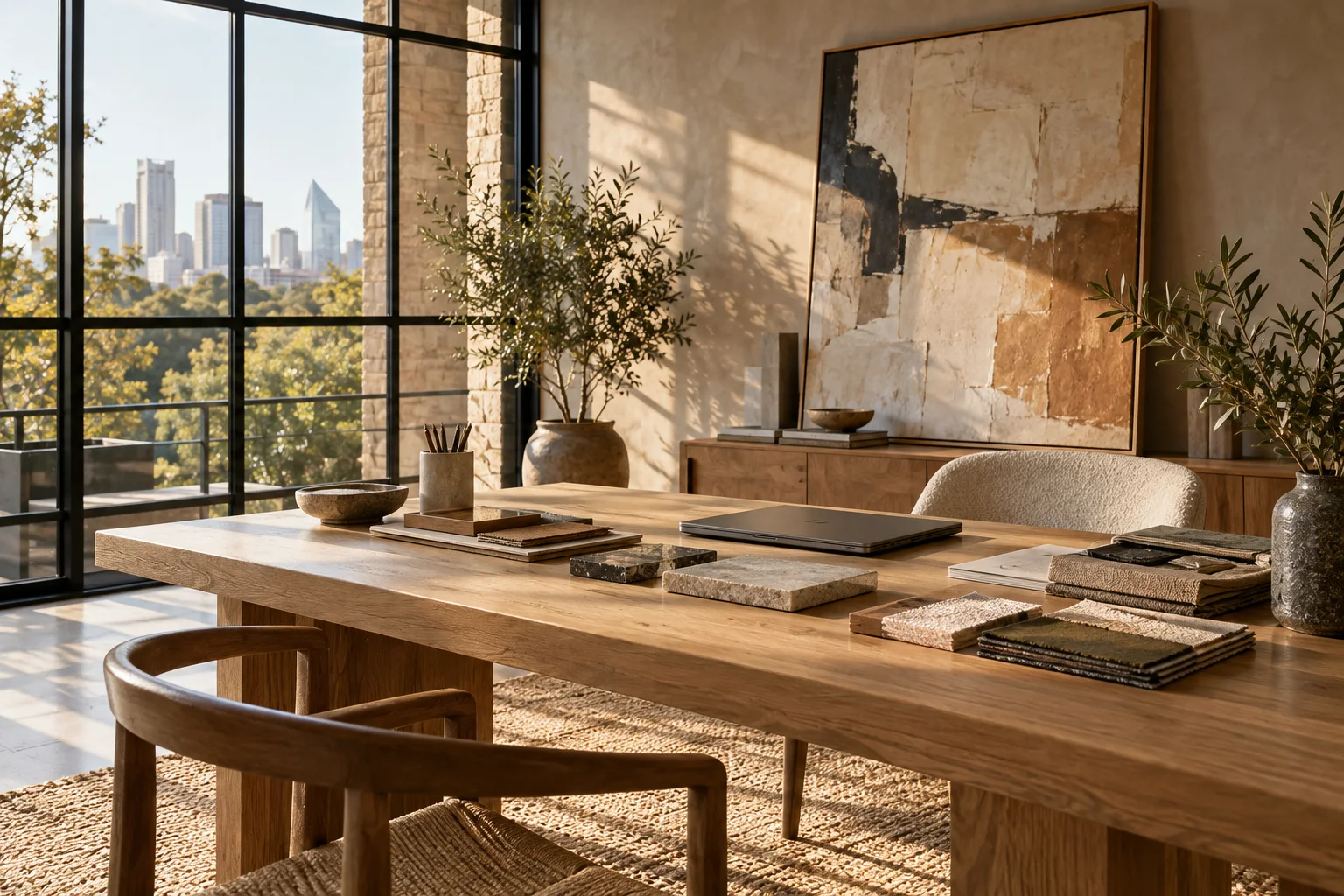
A hotel website often presents a menu of choices defined by elegant titles. You might see a "Deluxe King" sitting alongside a "Premier Suite," each promising a refined experience. However, for a traveler managing a specific logistical handoff, the distinction between these rooms may lie less in the square footage and more in the functional layout of the space.
The Logistics of a Handover
Consider a traveler who is coordinating a significant transition, such as moving a family member into a new care facility or managing the arrival of a relative who requires assistance. In these moments, the hotel room is not merely a place to sleep; it is a temporary command center. You may need enough physical space to sit comfortably with another adult while reviewing documents, or a layout that allows for a seamless transition of belongings and personal items from one person to another.
For example, if you are meeting an elderly parent to help them settle into a new routine, a room with a cramped entryway or a single, small armchair might make the handoff feel rushed and uncomfortable. You are balancing the need for privacy with the practical requirement of having enough surface area to organize essential items during the meeting.
Evaluating the Visual Promise
The photographs provided online are designed to highlight aesthetic appeal, often focusing on high-end finishes or view perspectives. While these elements contribute to the atmosphere, they rarely clarify how the room functions during a high-stakes afternoon. A room described as "spacious" might feature large windows that take up most of the wall, leaving little room for a functional desk or a secondary seating area.
When comparing options, look closely at the furniture arrangements shown in the images. A suite might offer more separation between sleeping and living areas, which provides a sense of order during a busy handoff. Conversely, a standard room might be more compact but offer a more direct connection to the main lobby or elevators, potentially easing the movement of luggage or mobility aids.
Questions for the Front Desk
Because digital descriptions are often curated for impact, certain functional details may remain unstated. Rather than relying on the room name to dictate your experience, contact the property directly to clarify the physical realities of your choice. Ask the staff how the layout of a specific room type accommodates a second person sitting for an extended period. You might also ask if the room includes additional surfaces, such as a dining table or a larger desk, that could facilitate your specific tasks.
If your transition involves specific physical requirements, ask whether the room's configuration allows for easy movement between the entrance and the primary living area. By shifting your focus from the decorative adjectives to the practical utility of the floor plan, you can select a space that supports the specific connections and routines your trip demands.