This is a paid partner contribution. Commercial relationships are disclosed so readers can distinguish sponsored content from editorial guides.
A storefront window, a roadside display, or an indoor event wall serves as a physical handshake with your community. Deciding how to present your brand through physical materials is a significant step for any local business or organization. Rather than walking into a consultation with a vague concept, arriving with a structured set of observations can help you navigate the choices available for your specific location.
Defining the Environment
The first step in any discussion about visual displays is a careful look at where the item will live. The lighting in a sun-drenched parking lot creates a different set of requirements than the dim, controlled atmosphere of a lobby. Consider the scale of your surroundings. A small graphic that looks substantial on a desk may disappear against a large brick exterior. For example, if you are planning to hang sign installation dallas, consider how the height of the mounting point and the texture of the wall might affect the final appearance. Note the dimensions of the intended space and any obstacles, such as light fixtures or doorways, that might interfere with the placement.
Balancing Material and Message
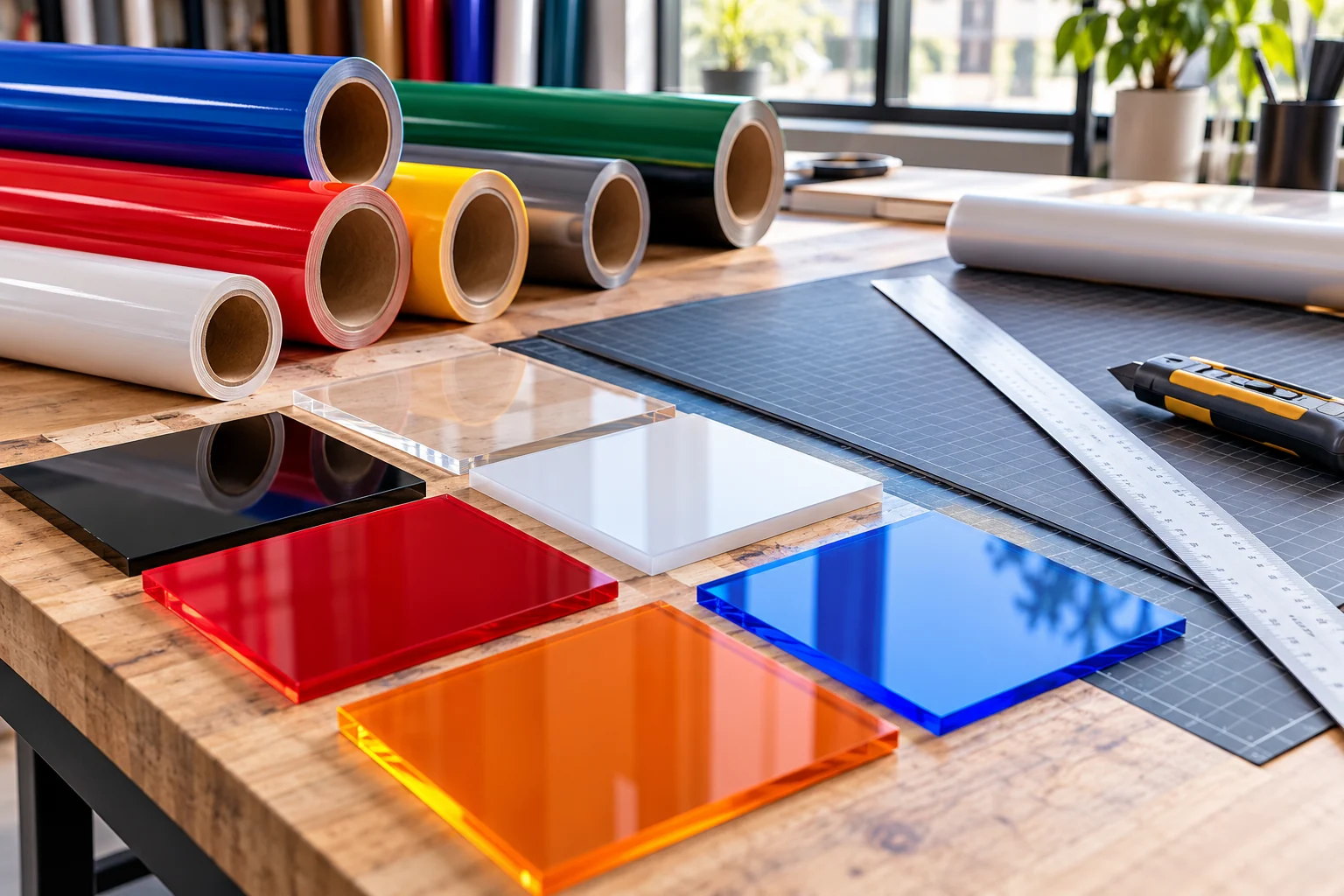
Every choice involves a tradeoff between visibility and longevity. A lightweight option might be easy to move for seasonal promotions, while a more substantial material might be better suited for permanent fixtures. When you consider banners dallas, think about whether the display needs to withstand wind and rain or if it is intended for a controlled indoor environment. Ask the provider how different materials respond to the specific weather conditions or lighting levels you have observed at your site. It is helpful to decide whether you prioritize a high-impact, temporary message or a long-term visual anchor.
Preparing Your Specifications
To make the most of an initial meeting, gather your existing brand assets. Having your logos, color preferences, and specific text ready prevents delays and ensures the discussion stays focused on your needs. Instead of asking what can be done, try asking how specific recommendations address the dimensions and routines of your space. You might ask: "How does this material handle the sunlight in my window?" or "What is the process for ensuring the placement aligns with my existing architecture?"
A successful consultation relies on the clarity of the information you provide. By documenting your site dimensions, noting your environmental constraints, and deciding on the intended lifespan of your display, you move from a general inquiry to a specific plan. Focus your questions on the practicalities of your unique location to ensure the final result fits your vision and your space.