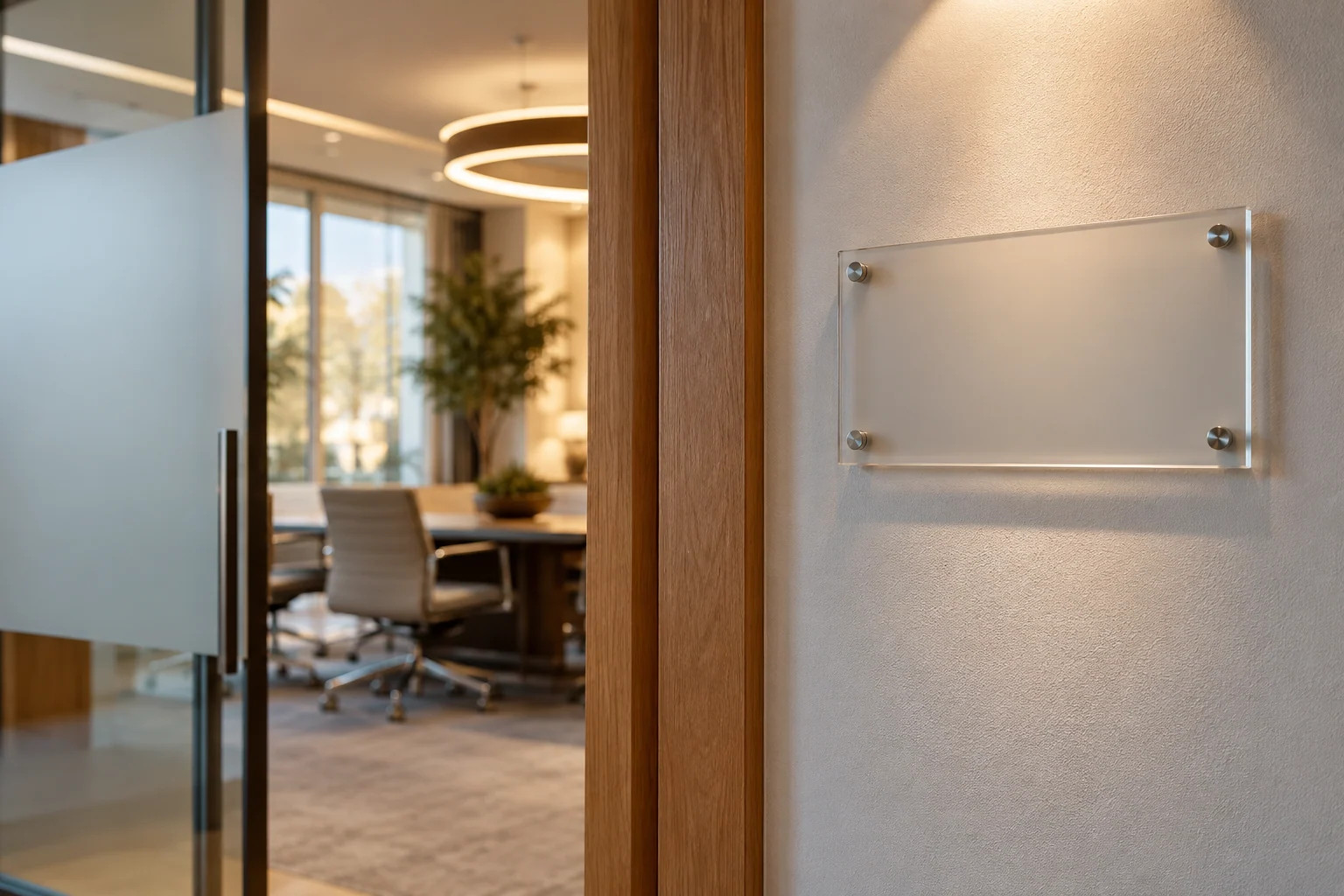
A storefront sign serves as more than a label; it is a silent greeting to every passerby on a Dallas street. It signals whether a business is a quiet corner retreat or a high-energy destination. For many entrepreneurs, the decision to move from a digital presence to a physical, illuminated, or painted marker is a significant milestone in a company's evolution.
Returning to the Drawing Board
Decisions regarding physical branding are often postponed. You might have set aside the task of updating your signage when a lease was being negotiated, or perhaps when a renovation was pushed back. Returning to this decision after a period of dormancy requires more than just picking up where you left off. The context of your business may have shifted, and the visual landscape of your neighborhood might have changed since you last considered your street presence.
For example, if you are revisiting a project to install a new hanging sign after a year of focusing on internal operations, your target audience may have evolved. A sign designed to attract a quick-stop commuter looks very different from one intended to draw in a weekend pedestrian looking for a sit-down experience. The tradeoff involves balancing immediate visibility with the long-term aesthetic of your brand.
Preparing Your Vision
Before approaching a provider, gather the visual assets that define your intent. Having high-quality photographs of your current storefront, the surrounding architecture, and even the specific lighting conditions at dusk can be invaluable. These images allow a professional to see the canvas they will be working with. If you have existing brand colors or specific logos, ensure these are ready for review.
Consider how the sign will interact with its environment. A bold, brightly lit sign might offer high visibility but could clash with the character of a historic building. Conversely, a subtle, etched glass sign might feel sophisticated but could be missed by drivers moving at speed. Identifying which of these priorities takes precedence will help guide the conversation.
Questions for the Specialist
Once you have your photographs and your concept ready, the next step is to determine what is actually possible within your specific location. Rather than assuming a design can be executed exactly as imagined, engage the provider in a dialogue about the mechanics of the installation.
Ask the provider how your specific design ideas can be realized given the materials you have selected. Inquire about the feasibility of the mounting methods and whether the intended scale fits the proportions of your building. It is also vital to address the administrative side of the project. Ask the provider which local approvals might be necessary for the installation and who would be responsible for arranging them. By addressing these technical and regulatory details early, you ensure that your return to this project leads to a finished product rather than a stalled permit.


