This is a paid partner contribution. Commercial relationships are disclosed so readers can distinguish sponsored content from editorial guides.
A new sign for a storefront or an office lobby often begins as a vague idea or a rough sketch on a napkin. While the excitement of a visual transformation is high, the transition from a creative thought to a physical installation involves a series of specific decisions. Managing this process effectively means moving away from verbal agreements and toward a clear, written record of what is being requested.
Defining the Visual Scope
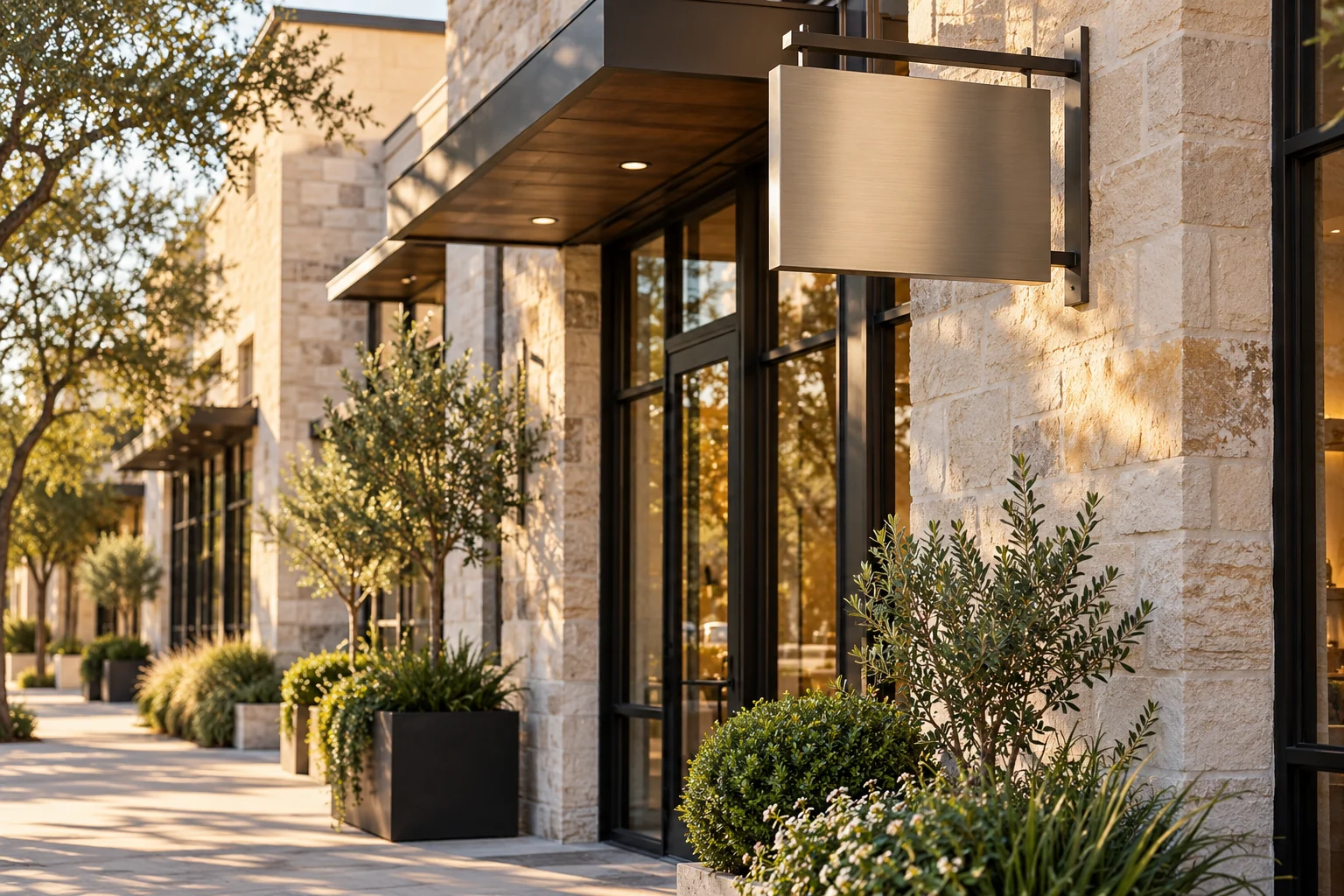
When you begin looking for exterior signs for shops and offices in Southeast Dallas, the first step is to organize your specific requirements. A project is defined by its dimensions, its materials, and how it will interact with its environment. Instead of relying on a general sense of "large" or "bright," prepare a list of the specific visual elements you want to achieve. This might include the exact colors of a logo, the preferred texture of a surface, or the specific way a light should appear against a building facade.
For example, if you are deciding between a sleek, backlit metal sign and a more traditional painted wood sign, you are weighing different aesthetic directions. One might offer a modern, high-contrast look, while the other suggests a more classic, textured feel. Having these preferences written down before your first meeting allows you to compare different options against a fixed set of criteria rather than reacting to suggestions in the moment.
Documenting the Details
A successful handoff relies on the accuracy of the information passed from the client to the provider. This involves more than just a description of the final product; it includes the context of the installation. Consider the location where the sign will live. Is it mounted on brick, glass, or siding? Does it need to be visible from a specific angle on the street?
As you gather these details, prepare a folder or a digital file containing your brand assets, site photos, and any measurements you have taken. When you contact FASTSIGNS Fair Park, having these records ready ensures that the conversation stays focused on your specific needs. Ask the professional how they will document the chosen specifications to ensure the final result matches your original intent.
Comparing the Proposals
Once you receive information back, the decision-making process shifts to evaluating the details provided. A written proposal should clearly outline the scope of work. Rather than looking only at a final number, look at the components of the plan. Ask which materials are being used and how those materials are intended to be secured to your specific structure.
The tradeoff often lies in the balance between immediate visual impact and the long-term durability of the materials selected. A highly polished finish might look striking today, but you may want to ask how that specific surface will hold up against the elements over time. By comparing these documented details side-by-side, you can make a choice based on the specific records you have created, ensuring that the final installation reflects the exact vision you set out to achieve.


