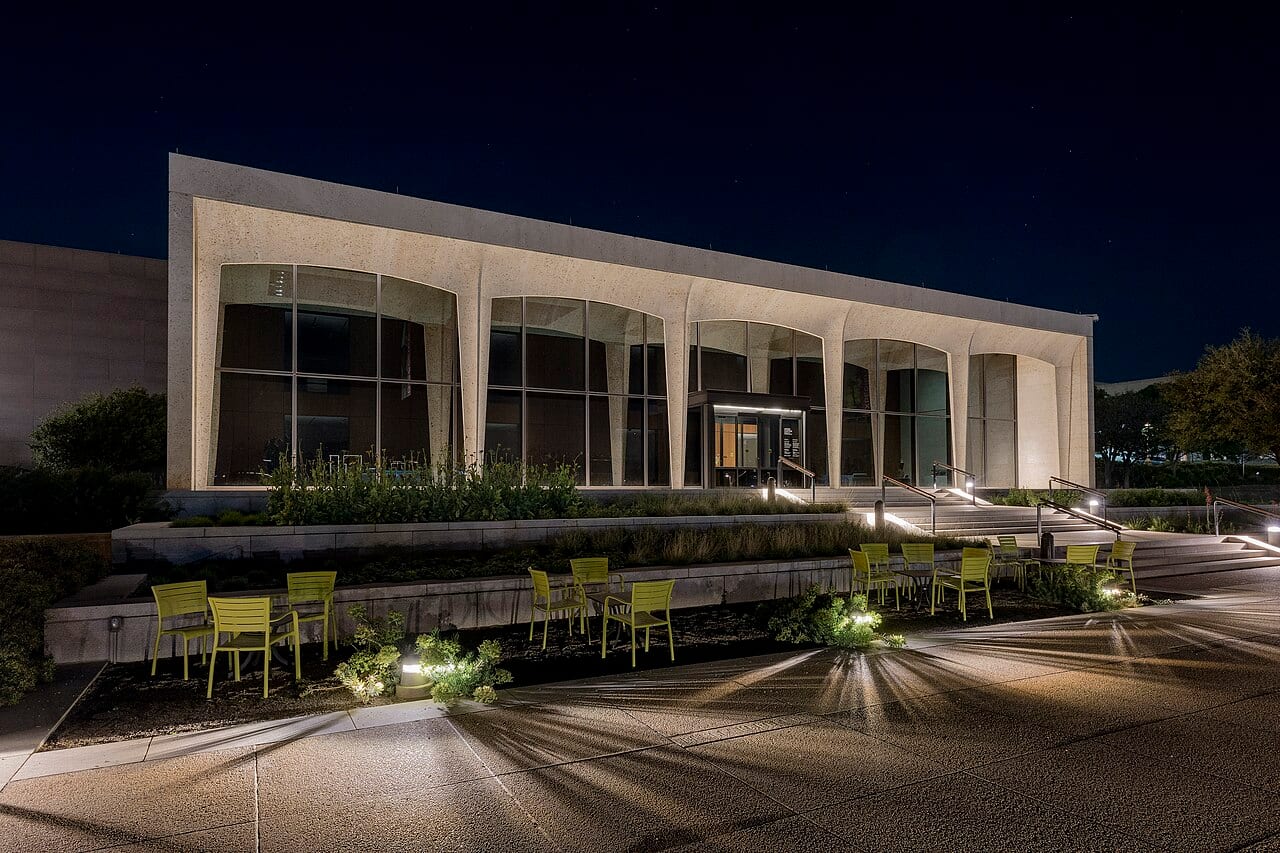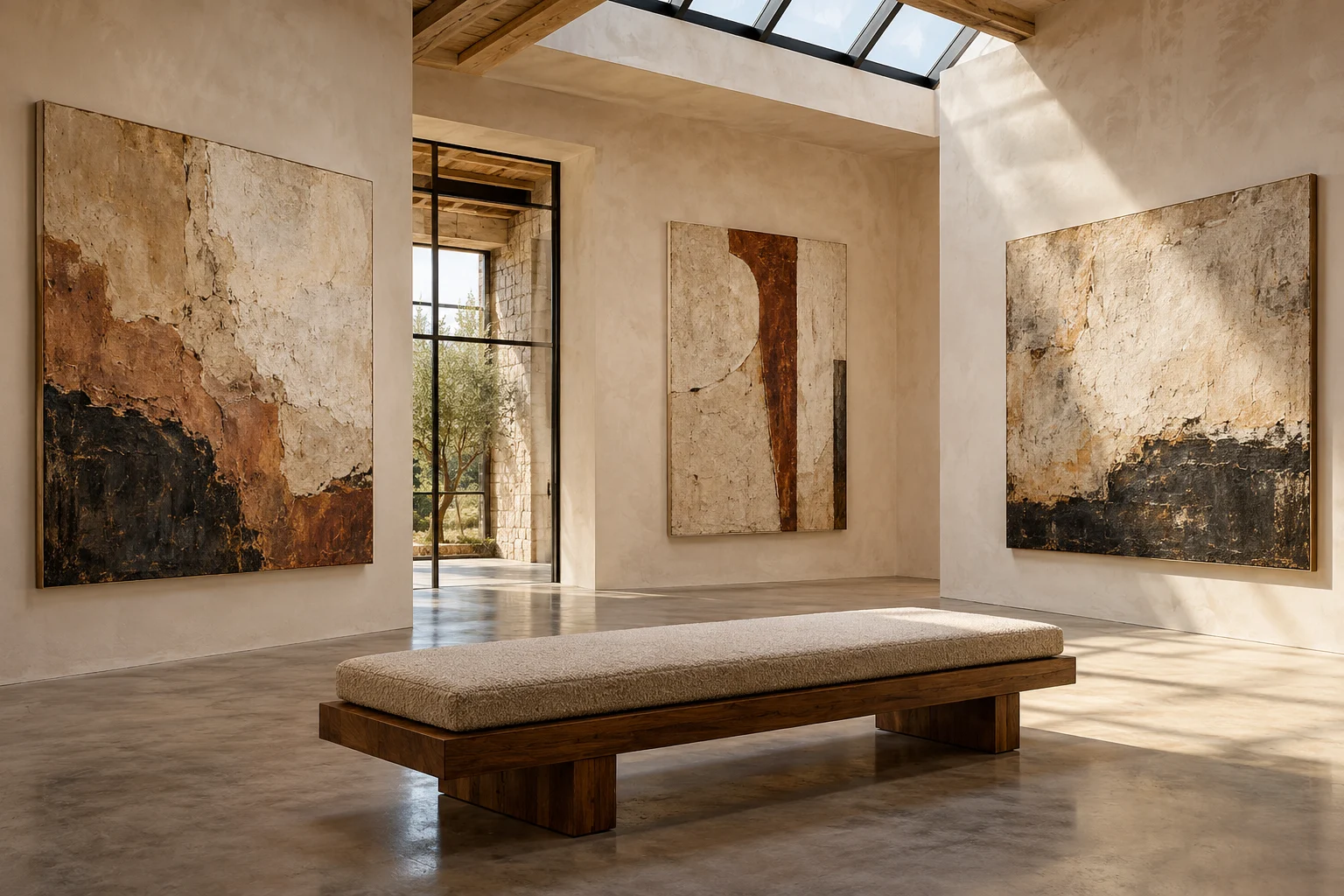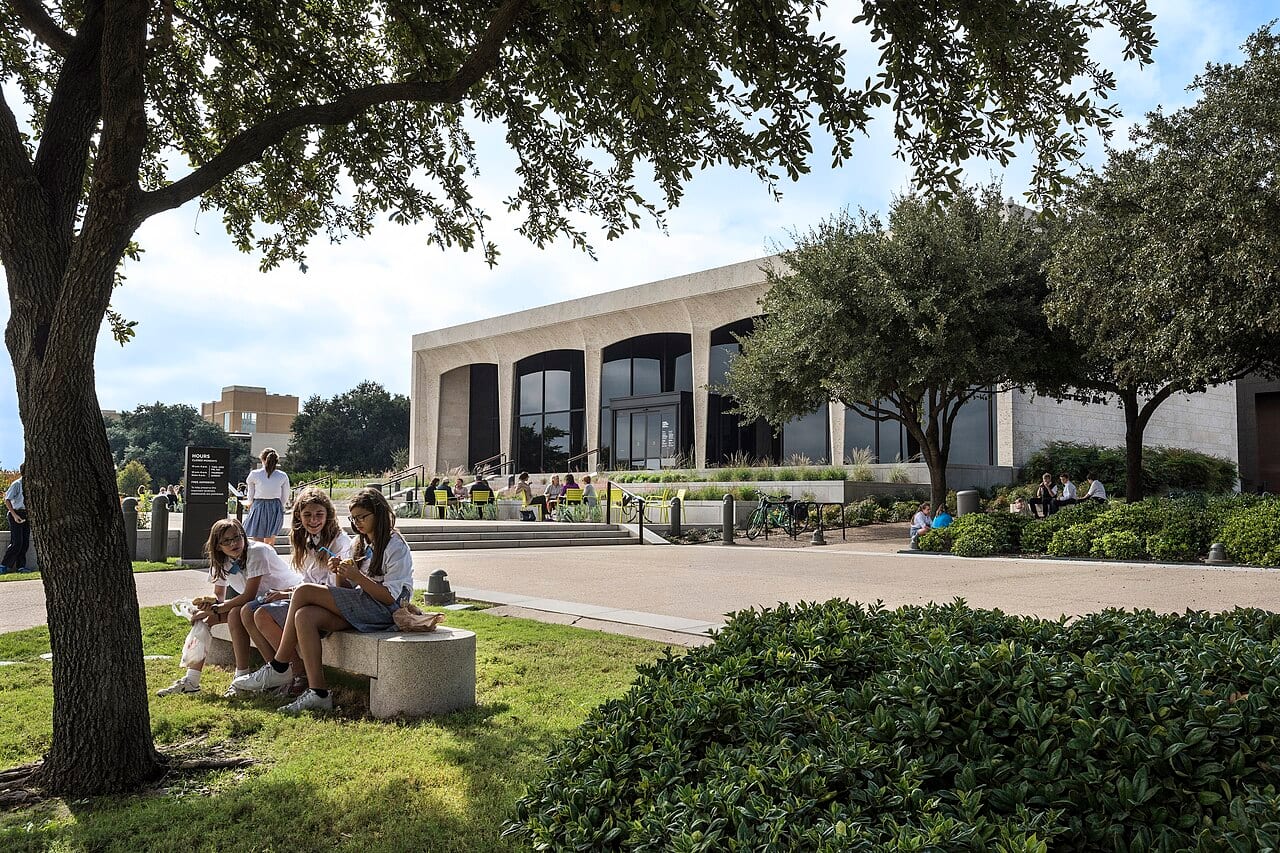
A sudden discovery—a quiet courtyard cafe, a niche gallery, or a specific corner of a local market—often arrives as a fleeting moment of delight. We experience the atmosphere and the flavor, yet the specifics of how to return or how to share that experience often slip through the cracks of a busy week.
Capturing the Essentials
To make a discovery useful for the future, you must move beyond the feeling and toward the facts. A mental note of "a great spot in the neighborhood" is rarely enough when you are planning a future outing. Instead, try to capture the specific identity of the place and the hands that shaped it. Note the name of the establishment, the creator of the work you admired, and the exact source where you first heard of the location.
Recording the why is equally important. A list of addresses is a directory, but a record of why a place mattered to you is a personal map. Did the lighting suit your mood? Was the staff’s approach to service particularly welcoming? These observations turn a simple location into a meaningful destination for your next visit.
Managing Two Worlds
The challenge of documentation intensifies when your life is split between two households. Coordinating routines, social calendars, and cultural interests becomes a logistical exercise in information management. If you find a remarkable new bookstore while staying at one residence, that information must remain accessible to you when you are at the other.
For example, if you are managing a weekend schedule that involves moving between a primary home and a secondary residence, a handwritten note left on a kitchen counter in one house is effectively lost to you once you depart. Without a synchronized method of recording, the cultural gems you find in one part of the metro area may never make it into the shared rhythm of your dual-household life.
Consider the tradeoff between convenience and permanence. A quick photo on a phone is immediate, but a digital note that includes the creator's name and a specific question to ask upon your return provides much more utility. You might ask yourself: "What specific element of this space would I want to experience again during a different time of day?"
Building a Personal Archive
The goal is to transform a momentary spark of interest into a reliable resource. When you find something that resonates, take sixty seconds to document the creator, the source of your discovery, and the personal reason for your interest. By leaving yourself a specific question to answer during your next visit, you ensure that your return is not just a repeat of the past, but a deeper exploration of what you first sensed.