This is a paid partner contribution. Commercial relationships are disclosed so readers can distinguish sponsored content from editorial guides.
Why a Unified Parcel List Matters
When a syndicator or sponsor prepares to close on a Dallas apartment complex, the first task is to bring together three critical documents: the marketing site plan, the appraisal parcel list, and the seller’s deed exhibits. Each source may label a building, parking lot, or service road differently, creating confusion that can delay the settlement. By laying the three side by side, the acquisition team can spot mismatches, such as a parking area shown on the site plan but omitted from the deed. This early comparison prevents later disputes and ensures the title commitment reflects the true boundaries of the property.
Step One: Side‑by‑Side Comparison
Begin by printing large‑format copies of the three documents and using a transparent overlay sheet. Mark every building, parking space, and access point that appears in any of the sources. Highlight items that appear in only one document. These are the “orphan” parcels that require clarification. For example, an amenity building that the appraisal lists as a separate parcel may be recorded as an accessory structure on the deed. Identifying these discrepancies now gives the title team, specifically Aurum Title, a clear list of items to investigate before the lender’s endorsement deadline.
Step Two: Identify Separate Land Descriptions
After the visual overlay, ask the seller which amenities sit on land described separately in the recorded instruments. Common examples include a community pool on a deed‑restricted parcel or a storage facility that relies on an easement. Document the seller’s responses in a spreadsheet, linking each amenity to its legal description. This step is critical because lenders often require that any land not conveyed with the main parcel be either purchased outright or covered by a written agreement. Missing an accessory parcel can trigger a hold‑back, delaying funding and increasing closing costs.
Step Three: Route Questions to the Right Reviewers
With the spreadsheet in hand, direct each open question to the appropriate reviewer. Surveyors should verify easements and encroachments, while the title examiner at Aurum Title confirms that the recorded chain of title includes the identified parcels. If a lease references a parking area that is not on the deed, the leasing attorney must provide a supplemental agreement. Sending these queries early—while the purchase team still has time to respond—keeps the closing timeline intact and avoids last‑minute escrow adjustments.
Maintaining a Single Annotated Map
As answers arrive, update a single master map that consolidates the marketing plan, appraisal parcels, and deed exhibits with all annotations. Each correction should be dated and signed by the responsible party, whether it is the surveyor, title examiner, or sponsor’s attorney. This “living document” becomes the reference for the settlement team, who will use it to produce the final exhibit package. A well‑maintained map reduces the risk of presenting outdated or conflicting exhibits to the lender, which can otherwise cause a costly escrow hold‑back.
Role of Aurum Title in the Reconciliation Process
Aurum Title’s multifamily title and escrow team steps in after the initial parcel comparison. Their examiners review the chain of title for each identified parcel, noting any easements, encroachments, or restrictive covenants that could affect the buyer’s use. They also cross‑check the rent roll and leases against the identified parcels to ensure tenant rights are captured correctly in the title commitment. By providing a detailed exception list that reflects the reconciled parcel map, Aurum Title helps the lender’s endorsement process move smoothly, minimizing the chance of a surprise escrow hold‑back.
Preparing the Lender’s Endorsement Package
Once the parcel map is finalized, the title company assembles the endorsement package required by the lender. This includes the title commitment, the revised survey, and a list of exceptions tied to specific parcels. The lender’s underwriter will review the package to confirm that all land required for the loan collateral is accounted for. If the sponsor has correctly identified and documented separate parcels, the endorsement can be issued without additional conditions, allowing the loan to fund on schedule.
Closing Statement Accuracy
Aurum Title also prepares the closing statement, which prorates rents, taxes, and operating expenses among the buyer, seller, and lender. The reconciled parcel list directly impacts these calculations because each parcel may have its own tax parcel number and assessment value. By ensuring that the parcel map matches the tax records, the title company can generate a settlement statement that balances without the need for post‑closing adjustments. This precision is especially valuable in syndications where multiple equity investors expect a clean financial snapshot at closing.
Hypothetical Situation One: Missing Parking Parcel
Imagine a sponsor purchasing a 120‑unit complex where the appraisal lists a separate parking parcel, but the deed does not. The sponsor’s acquisition team flags the discrepancy during the side‑by‑side review and forwards the question to the surveyor. The survey confirms that the parking area is part of the recorded parcel but is described under a different tax ID. Aurum Title updates the title commitment to reflect the correct tax ID and adds an endorsement confirming the parking area’s inclusion. The lender’s underwriter, satisfied with the clarification, issues the endorsement, and the closing proceeds without a hold‑back.
Hypothetical Situation Two: Unrecorded Amenity Easement
In a second scenario, a buyer discovers that a community garden is situated on land owned by a neighboring property, accessed via an easement not recorded in the seller’s deed. The sponsor’s attorney requests a written easement from the neighbor. Aurum Title reviews the easement agreement and adds it as a covenant in the title policy. Because the lender’s endorsement requires clear access rights, the title company includes a specific exception noting the easement’s terms. The lender’s endorsement is issued with the easement noted, and the escrow funds are released without delay.
Real‑World Example: Aurum Title’s Impact on a Dallas Deal
A recent Dallas multifamily transaction involved a 200‑unit portfolio where the appraisal identified three distinct parcels for separate amenities. The title company’s examiners discovered that one parcel’s deed referenced an outdated easement that no longer existed. By coordinating with the seller’s attorney, the title team secured a new easement agreement and reflected it in the commitment. The lender’s endorsement was issued on the first review, allowing the syndicator to close on schedule and avoid a potential escrow hold‑back that could have cost several hundred thousand dollars.
Document Management Best Practices
Effective reconciliation hinges on disciplined document control. Use a cloud‑based folder structure that mirrors the three source documents: Marketing Plan, Appraisal Parcel List, and Deed Exhibits. Within each folder, create subfolders for survey notes, title examiner comments, and lender correspondence. Assign a naming convention that includes the date, version number, and responsible party’s initials. This system ensures that every stakeholder can locate the latest version of the parcel map, reducing the likelihood of outdated information slipping into the closing package.
Communicating with the Acquisition Team
Clear communication channels between the sponsor, title company, and lender are essential. Schedule weekly status calls during the reconciliation phase, and circulate a concise “open items” list after each call. When the escrow team resolves a title exception, they should send a brief email summarizing the change, the impact on the commitment, and any required actions from the buyer’s side. This proactive approach keeps the acquisition timeline on track and prevents surprise requests from the lender late in the process.
Final Review Before Settlement
Just before settlement, conduct a final walk‑through of the annotated map with the title examiner, surveyor, and lender’s representative. Verify that every parcel, easement, and covenant appears correctly on the final exhibit package. Confirm that the closing statement reflects the reconciled rent rolls and tax assessments. Once all parties sign off, the title team can record the deed, issue the owner’s and loan policies, and disburse funds according to the settlement statement. This final check acts as a safety net, catching any lingering discrepancies before they become post‑closing disputes.
Key Takeaways for Sponsors
Sponsors should treat parcel reconciliation as a critical path activity, not a checkbox item. Early side‑by‑side comparison, diligent question routing, and a single annotated map are the pillars of a successful process. Leveraging the title company’s expertise in title examination and escrow management ensures that lender endorsements are clean and that the closing statement balances on the first try. By following these steps, Dallas multifamily buyers can avoid costly escrow hold‑backs and keep their acquisition timelines intact.
Choosing Between Self‑Managed Parcel Reconciliation and Delegating to the title company
When a sponsor or syndicator prepares to close a Dallas‑area multifamily acquisition, a pivotal decision emerges: should the acquisition team conduct the parcel‑list reconciliation in‑house or hand the task over to the escrow team’s dedicated title and escrow group? The choice hinges on three practical considerations—resource allocation, risk exposure, and timeline flexibility—each of which carries a tangible trade‑off that can shape the closing process.
Self‑managed reconciliation offers direct control over the comparison of the marketing site plan, appraisal parcel list, and deed exhibits. By keeping the analysis internal, the sponsor can immediately flag discrepancies, such as a missing parking parcel or an unrecorded amenity easement, and route questions to the appropriate reviewers without waiting for an external party to prioritize them. This approach can reduce fees associated with title‑company labor and may be attractive for teams that already have a surveyor and legal counsel on retainer. However, the downside is the increased burden on the acquisition staff, who must juggle this detailed mapping alongside rent‑roll reviews, lender endorsement compliance, and formation document collection—all tasks that the title team typically handles concurrently.
Delegating the reconciliation to the title company shifts the workload to a team that “examines the chain of title and reads the survey for easements, encroachments, parking and access issues that affect an apartment property,” as outlined in their service scope. The title company then integrates those findings into the lender’s endorsement package and the final settlement statement, ensuring that any identified parcel mismatches are reflected in the closing documents. This delegation can streamline communication with the lender, who expects a single, vetted parcel map before endorsing the loan. The trade‑off, however, is the cost of title and escrow services and the potential for a longer feedback loop if the sponsor’s questions require additional clarification from the seller.
To make an informed choice, sponsors should weigh the immediacy of internal expertise against the comprehensive coverage that the escrow team provides. If the acquisition timeline is tight and the team possesses seasoned survey and title staff, a self‑managed approach may accelerate issue resolution. Conversely, if the deal involves multiple parties, complex prorations, and lender‑driven endorsement requirements, leveraging the title team’s integrated workflow can mitigate the risk of overlooked easements or mis‑described parcels, ultimately safeguarding the closing schedule.
Next Steps for Your Deal
If you are preparing to close on an apartment complex in Dallas, start by gathering the marketing site plan, appraisal parcel list, and deed exhibits today. Create the overlay map, flag discrepancies, and engage the escrow team early to review the title commitment and survey. Use the multifamily title and escrow in Dallas to connect with a title professional who can guide you through the reconciliation process and keep your closing on schedule.
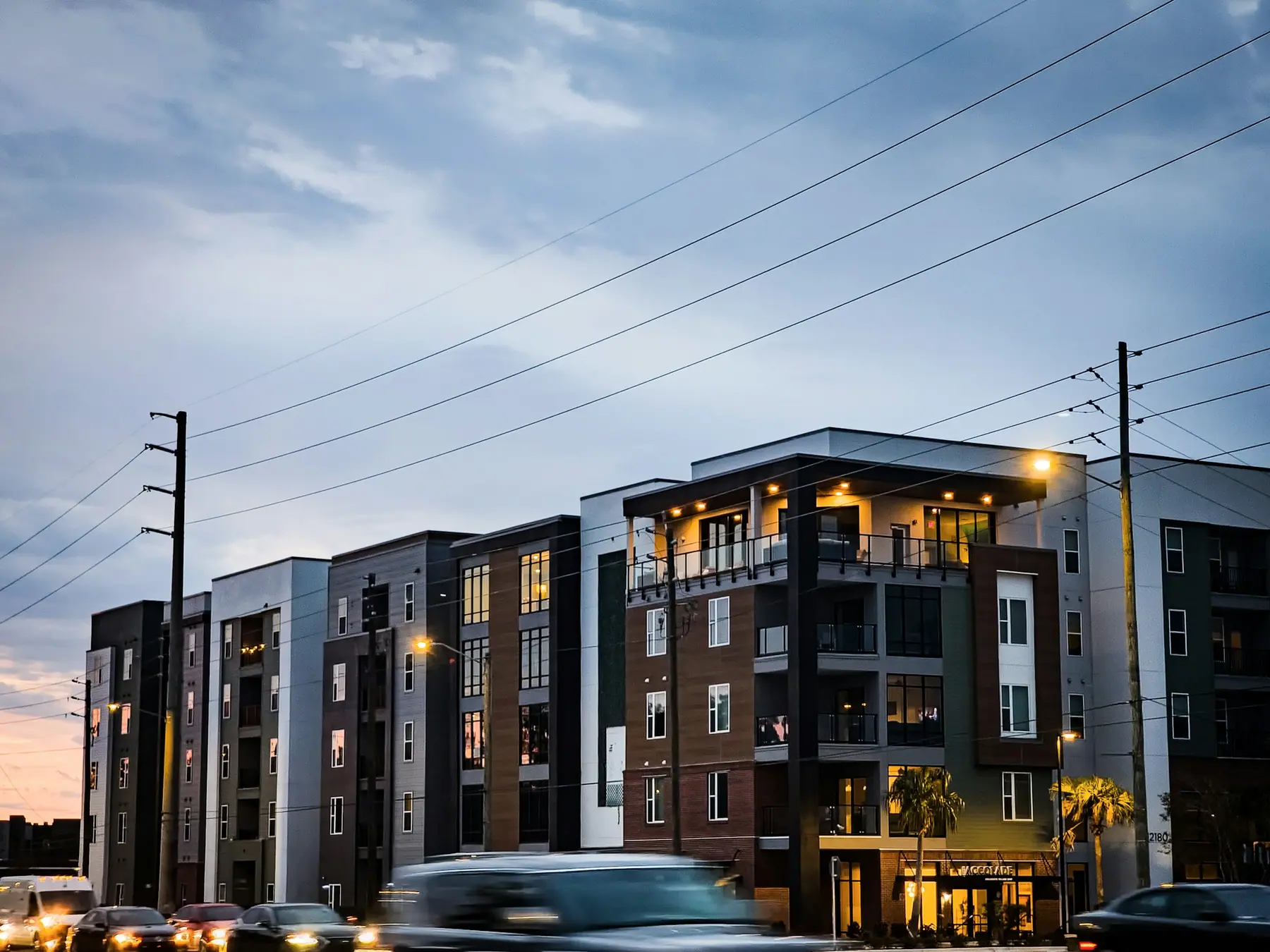
Editorial illustration from Aurum Title’s service page.