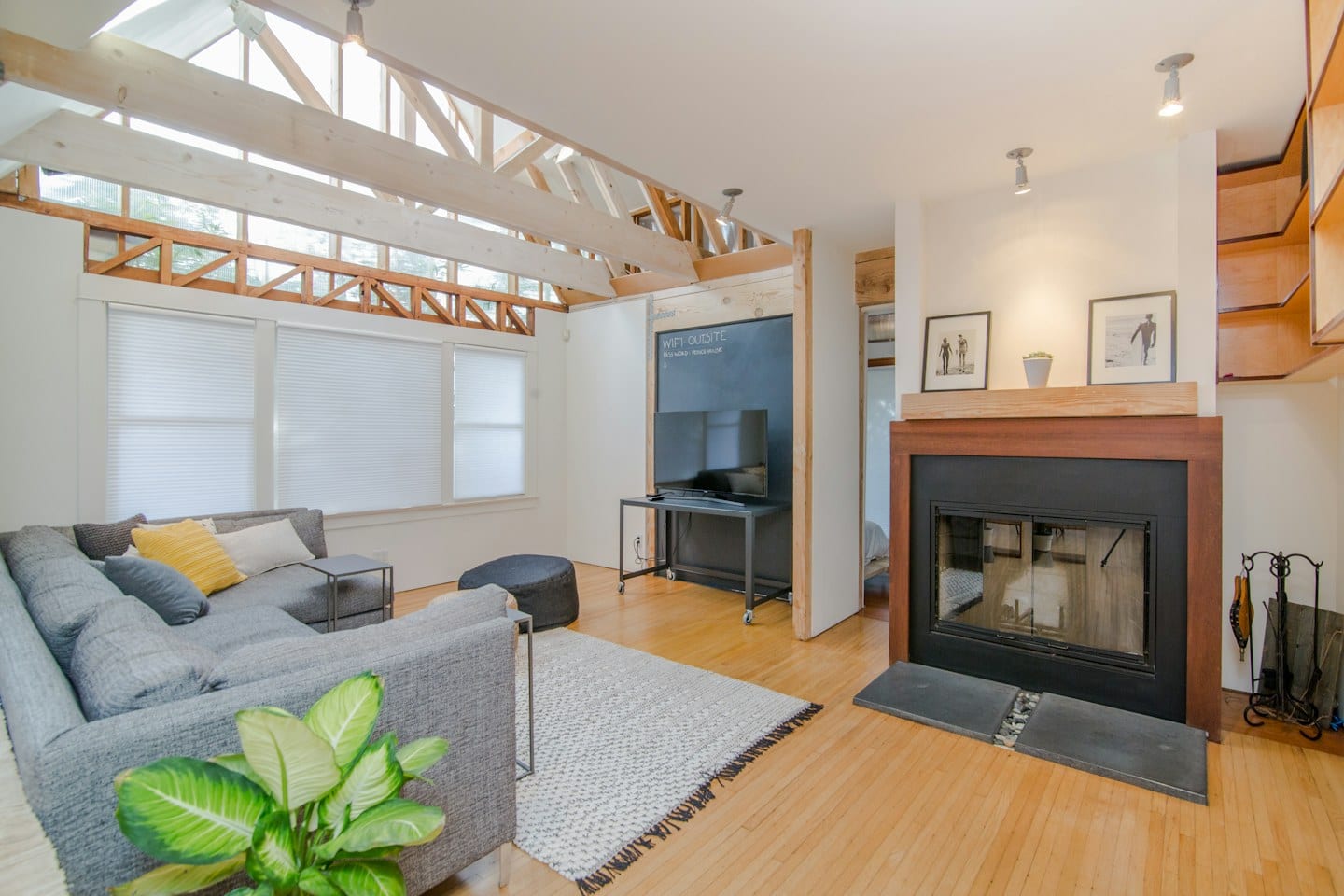
A bookshelf is often treated as a static museum of a person’s history, a curated wall of spines that remains untouched for years. However, when your life involves splitting time between two different households in the metroplex, a shelf becomes something more functional: a rotating inventory of your daily essentials and your most cherished objects.
The Weight of What You Carry
Maintaining two separate living spaces requires a mental shift in how you view your possessions. You cannot simply duplicate every book, decorative bowl, or piece of media in both locations without creating unnecessary clutter or expense. Instead, the decision becomes one of utility versus sentiment. You must decide which items are part of your active routine and which are part of your permanent identity.
Consider the tradeoff between convenience and aesthetics. You might want your favorite heavy art books displayed prominently in your primary study, but if those books spend half their time in a box or a different living room, they lose their function as both reading material and decor. The goal is to ensure that wherever you are sleeping that night, your environment feels complete rather than hollow.
A Strategy for Frequent Use
Start by auditing your current arrangements based on how often you actually touch an object. Group your items into three distinct categories: the daily, the weekly, and the occasional. The daily items—perhaps a specific journal, a current reading, or a pair of glasses—should occupy the most accessible real estate. These are the objects that bridge the gap between your two lives, making each house feel like a true home.
For example, if you find yourself constantly searching for a specific set of coasters or a particular reference book, those items are candidates for a dedicated, permanent spot in both locations. For everything else, ask yourself if the item is worth the effort of moving, or if it serves a better purpose staying stationary in one specific room.
Testing a New Arrangement
Once you have categorized your belongings, try a small-scale rearrangement to see how the new flow affects your movement through the room. Move a cluster of objects from a high, decorative shelf to a mid-level surface where you can reach them without standing. Observe how this change impacts your ability to settle into a routine. If you find yourself reaching for a misplaced item, the arrangement has failed the utility test.
As you refine these spaces, pay attention to the visual balance. A shelf filled only with high-use items can look cluttered, while a shelf filled only with display pieces can feel cold. The most successful arrangements blend the two, using your most beautiful, low-use objects to frame the items you use every day. By organizing according to actual use rather than just visual symmetry, you create a sense of stability that travels with you, regardless of which front door you walk through.