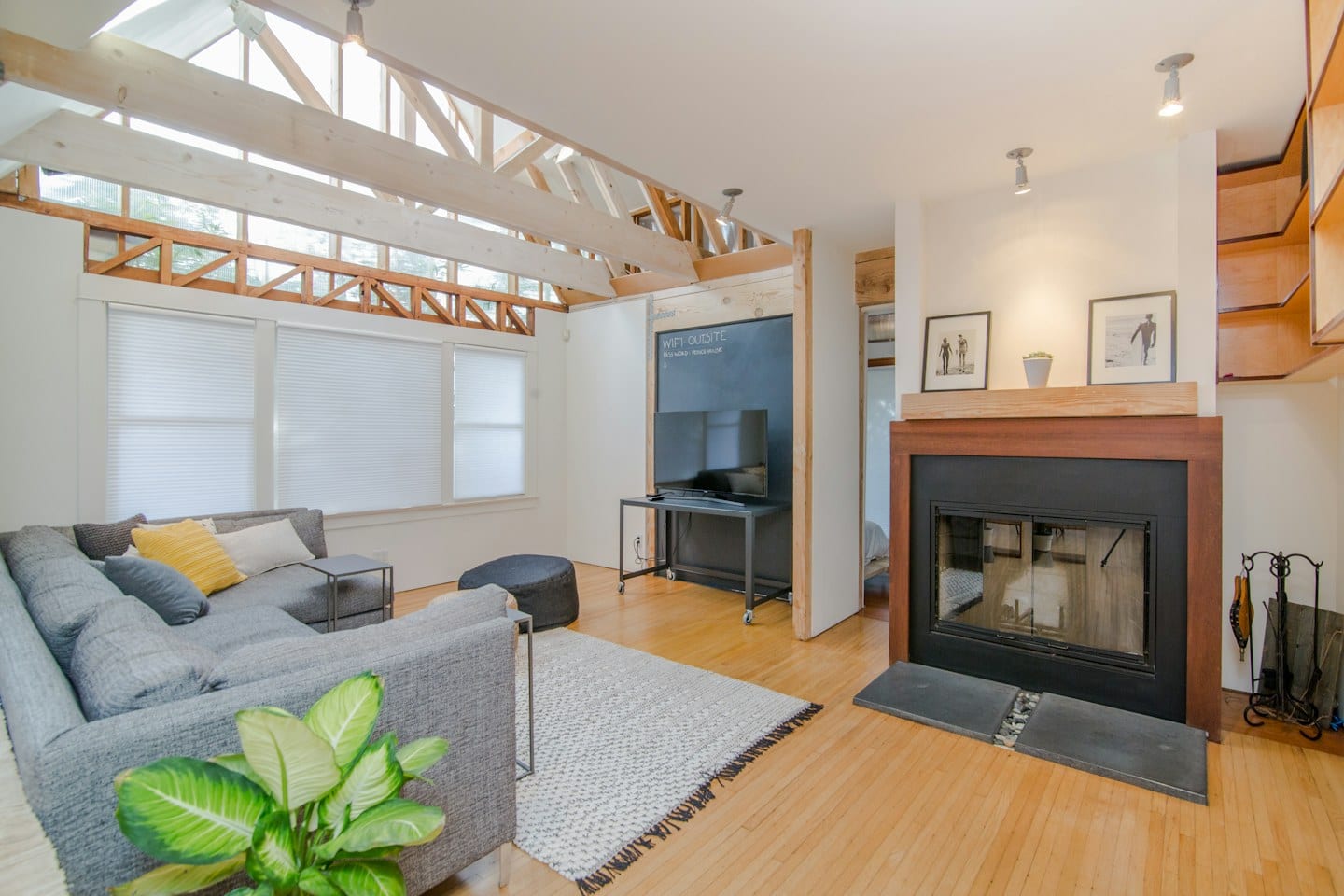
A new area rug often feels like the anchor of a room, a soft boundary that defines where conversation happens and where movement ceases. However, the transition from a digital showroom to a physical living space involves more than just matching a color to your upholstery. The real challenge lies in how the dimensions of a rug interact with the existing geography of your furniture and the invisible paths you walk every day.
The Geometry of Movement
When selecting a size, the tradeoff is often between a rug that feels expansive and one that feels functional. A larger rug can unify a seating group, but it may also create a tripping hazard if it ends abruptly in a high-traffic walkway. To visualize this, you can use inexpensive butcher paper or even old newspapers to create a life-sized outline of the rug you are considering. Tape these shapes directly to your floor, allowing them to sit exactly where the textile would rest.
Once the paper is down, observe the room from multiple angles. Walk through the space as you normally would. Does the paper outline force you to take a wide, awkward detour around the coffee table? Does it extend into a doorway or under a heavy sideboard in a way that feels intrusive? This physical simulation reveals whether the scale supports your lifestyle or merely occupies it.
Coordinating Shared Spaces
The decision becomes more complex when the room is a shared environment requiring a clear handoff between two people. For example, if you and a partner share a living area, your individual routines might dictate different spatial needs. Imagine you prefer a quiet corner for reading, while your partner frequently moves through the center of the room to access the kitchen or a side entrance. A rug that looks balanced to one person might inadvertently create a cluttered obstacle course for the other.
Using paper outlines allows both adults to participate in the decision-making process without the permanence of a purchase. You can move the paper edges to see if shifting the sofa by six inches creates a better flow for the person walking the main route. This method turns an abstract debate about aesthetics into a concrete observation about how the room actually functions for everyone using it.
Testing the Layout
Before you finalize your choice, place your existing furniture—or at least lightweight representations of it—on top of the paper outlines. This helps you see if the rug's edges will sit tucked under the front legs of your chairs or if they will float in the middle of the floor, disconnected from the seating. Ask yourself if the proposed boundaries feel intentional or accidental. Once you have walked the paths, adjusted the paper, and confirmed that the layout respects the routines of every resident, you can move forward with the purchase knowing the scale is right for your specific home.