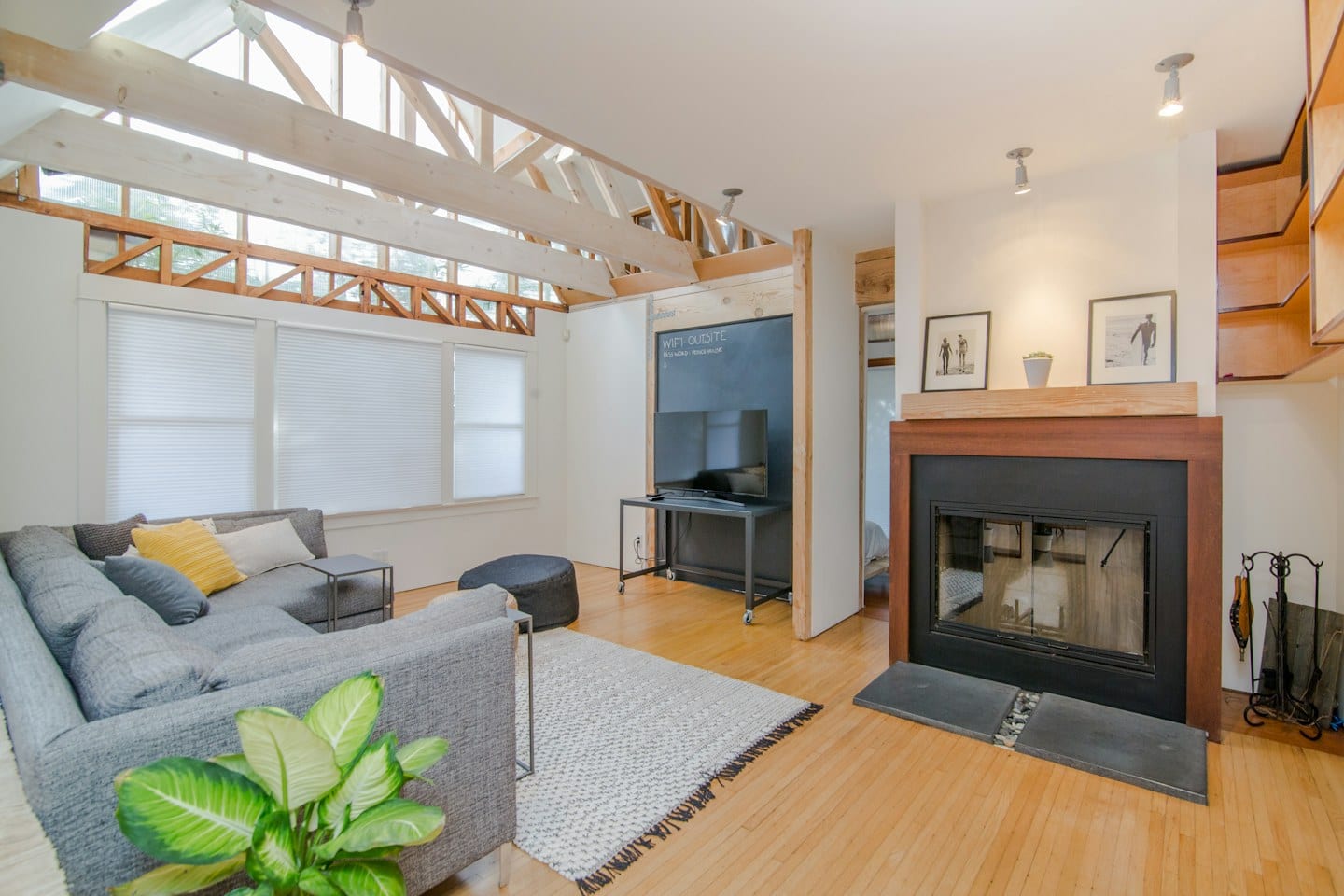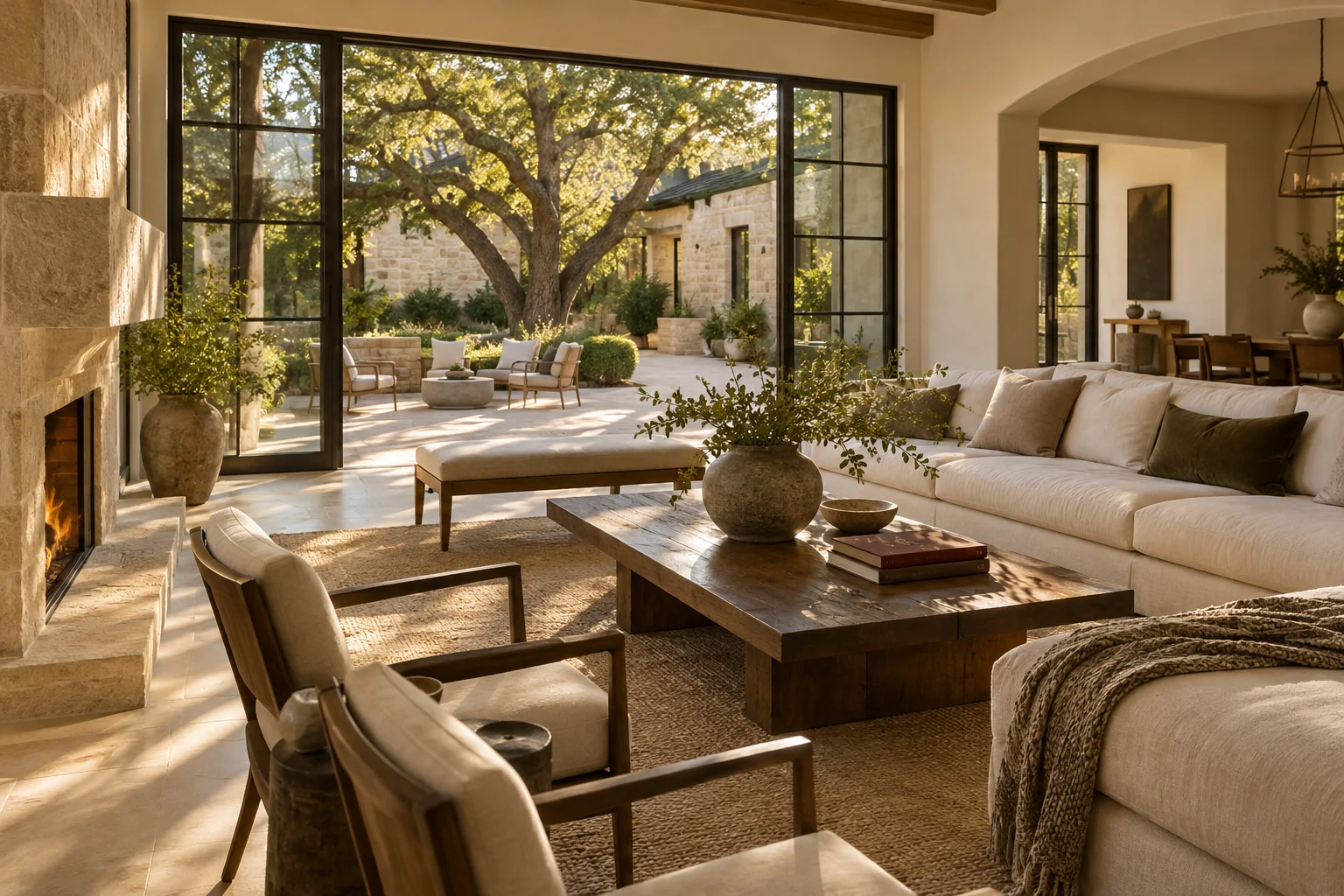
The view from a living room window often dictates the mood of an entire afternoon. One moment, the sun is casting a bright, energizing glow across the floor; the next, the glare makes it impossible to read a book or watch the news. When you begin looking at ways to manage that light, you are not just choosing a product, but deciding how much of the outside world you want to invite in. This decision shapes the boundary between your private life and the street beyond.
The Balance of Sight and Shadow
Deciding on window treatments involves a series of trade-offs between visibility and seclusion. You might desire a room that feels airy and open during the day, yet requires total seclusion once the evening streetlights flicker on. There is a tension between wanting to see the neighborhood activity and wanting to ensure that neighbors cannot see into your private sanctuary. This decision often hinges on the specific orientation of your windows and the density of the structures surrounding your home.
For example, if you live in a home where a neighbor’s second-story window looks directly into your breakfast nook, your priority might be immediate privacy. However, if those same windows face a quiet garden, you might prefer a solution that filters the sunlight into a soft, ambient glow rather than blocking it entirely. The choice is rarely about one single feature, but about how different layers of light and shadow interact with your daily movements. You must weigh the benefit of a clear view against the necessity of shielding your interior from prying eyes.
Navigating the Shared Decision
For many, the challenge is not just the technical choice, but the interpersonal one. You may find yourself sitting at the kitchen table with a partner, trying to reconcile two different visions for the home. One person might prioritize a clean, minimalist aesthetic that disappears into the wall, while the other might favor a textured look that adds warmth and softness to the room. One person sees a functional tool to block heat; the other sees a decorative element that defines the room's character. This can lead to a stalemate if you only discuss how things look, rather than how they function.
When these preferences diverge, it helps to move away from abstract ideas and toward concrete observations. Instead of debating "modern" versus "traditional," discuss how you want the room to feel at 7:00 AM versus 7:00 PM. Identifying whether the primary goal is light control, privacy, or visual texture can provide a common language for the discussion. Once you have reached a tentative agreement on the desired atmosphere, you can begin looking for specific options that satisfy those shared needs.
Preparing for the Consultation
When you are ready to speak with a supplier, focus your questions on how their recommendations align with your specific lifestyle. Rather than searching for specific terms, ask how a particular suggestion addresses the light levels and privacy needs you have identified. You might ask how a specific option handles the transition from day to night, or how it might impact the visual weight of the window. Ask the professional how the suggested materials will respond to the specific sunlight patterns in your rooms. By centering the conversation on your observations of light and privacy, you can ensure the final result supports the way you actually live.