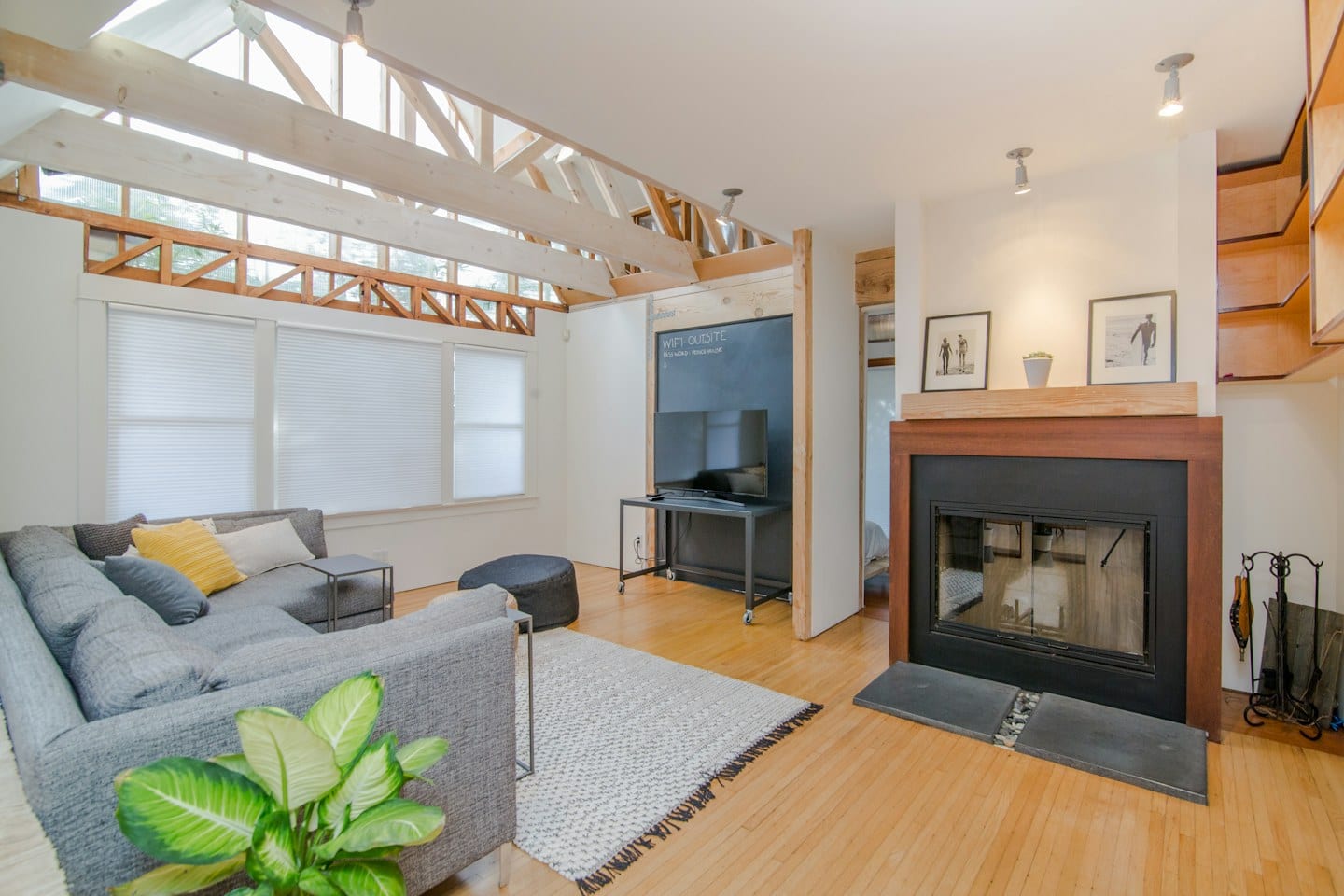
A new sofa or a substantial dining table often arrives not just as a piece of furniture, but as a centerpiece for how a household functions. In a growing metro like Dallas, where homes range from historic bungalows to modern high-rises, the space available for these items can feel either expansive or restrictive. When two people share a home, the decision-making process for these large pieces can become a tug-of-war between individual aesthetics and collective utility.
The tension of personal style
The friction often begins with a fundamental disagreement on what a piece represents. One person might prioritize a minimalist, sleek silhouette that feels contemporary and uncluttered. The other might lean toward deep, plush cushions and textured fabrics that suggest warmth and relaxation. These aren't just disagreements over color; they are disagreements over the atmosphere of the home.
For example, if one partner envisions a formal sitting area for hosting guests, while the other sees a high-traffic zone for afternoon naps and movie marathons, the choice becomes a trade-off between elegance and endurance. Choosing the elegant, delicate piece might satisfy the desire for a polished look, but it risks failing the daily reality of comfort. Conversely, choosing the heavy, utilitarian option might provide comfort but leave one person feeling that the room lacks character.
Building a shared brief
To move past this impasse, stop looking at individual items and start looking at your shared routines. Instead of debating a specific chair, sit down and list the actual ways the room will be used. Do you host large groups for holidays? Do you spend most evenings reading? Do you need a surface that can withstand a spilled glass of water or a pet's claws?
By establishing these functional requirements first, you create a neutral set of criteria. A piece of furniture then becomes a solution to a shared problem rather than a compromise of personal taste. If both agree that the priority is durability for a busy household, the conversation shifts from "I like this velvet" to "Does this fabric meet our requirement for easy cleaning?"
Evaluating the options
Once you have your list of needs, begin comparing specific options against those observations. This is the stage where you look at scale, material, and placement. Ask yourselves how the dimensions of a potential piece will affect the flow of movement through the room. A massive sectional might look wonderful in a showroom, but will it block the path to the balcony or make the room feel cramped?
If you find yourselves stuck between two very different directions, ask a showroom specialist how a particular material or construction method addresses the specific use cases you identified. You might ask how a certain wood finish holds up to daily contact, or how a specific cushion density responds to regular use. This keeps the focus on the practical reality of your home rather than an abstract ideal of style.
The final decision should rest on which option best satisfies the shared brief you created. When you can point to a specific requirement—such as ease of cleaning or a specific footprint—you turn a subjective argument into a logical choice that respects both people's needs.
