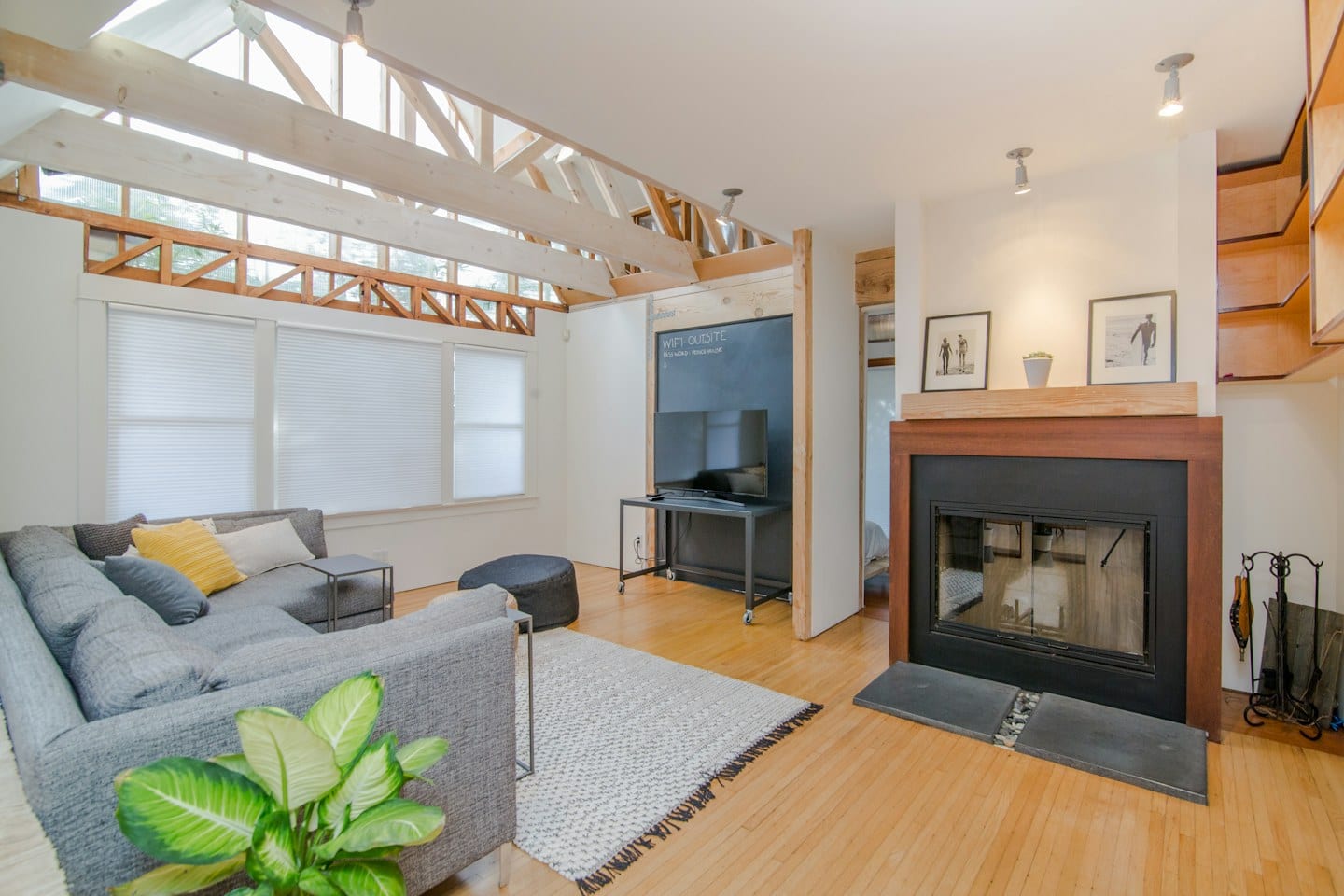
The search for a quiet corner often begins with a single chair and a view. We look for a spot that feels stationary, a place where the light hits the floor just right in the afternoon. But for those navigating the logistics of two households, the concept of a "permanent" corner is often a moving target. When your belongings, your routines, and your sense of place are divided between two different addresses, the struggle isn't just about finding silence; it is about finding consistency.
The Rhythm of the Room
A corner that feels tranquil on a Tuesday morning might feel entirely different on a Thursday evening. In one home, the evening might bring the hum of a distant appliance or the movement of others through a shared hallway. In the other, the silence might be interrupted by the specific cadence of a different neighborhood. To find a space that actually works, you have to observe how the environment reacts to your presence and the presence of others.
Instead of deciding on a layout immediately, spend a few days noting when the interruptions occur. Does the light from the window create a glare on your screen at 3:00 PM? Does the sound of a neighbor's activity coincide with your most focused hours? Identifying these patterns helps you understand if a space is truly a sanctuary or merely a temporary refuge.
The Tradeoff of Permanence
There is a natural tension between the desire for a heavy, settled workspace and the reality of a split lifestyle. A massive oak desk provides a sense of groundedness, but it is difficult to move between residences. Conversely, a lightweight folding table is easy to transport but may lack the stability needed for long periods of concentration. This is the fundamental tradeoff: the psychological comfort of a fixed station versus the functional necessity of mobility.
For example, if you find yourself constantly rearranging your setup to accommodate different room layouts, you might consider a modular approach. Imagine a setup consisting of a high-quality, medium-weight task chair and a portable lighting solution that can be tucked into a suitcase. You sacrifice the visual weight of a built-in office, but you gain the ability to recreate a familiar sensory environment regardless of which front door you walk through.
Testing the Setup
Before committing to furniture that is difficult to transport, try a movable arrangement. Use a small cart or a lightweight side table to test how a specific corner feels during peak activity times. Observe how the height of the surface affects your posture and whether the proximity to a power outlet dictates your entire workflow. If you find that a specific corner in one house is much more productive than the other, ask yourself what specific elements—the light, the distance from the kitchen, or the lack of foot traffic—are making the difference.
Once you have observed these variables, you can begin to curate a kit of essentials that travels with you. Rather than trying to force one house to mimic the other, focus on the elements you can control. By prioritizing items that bridge the gap between your two worlds, you create a portable sense of home that exists wherever you choose to sit.
