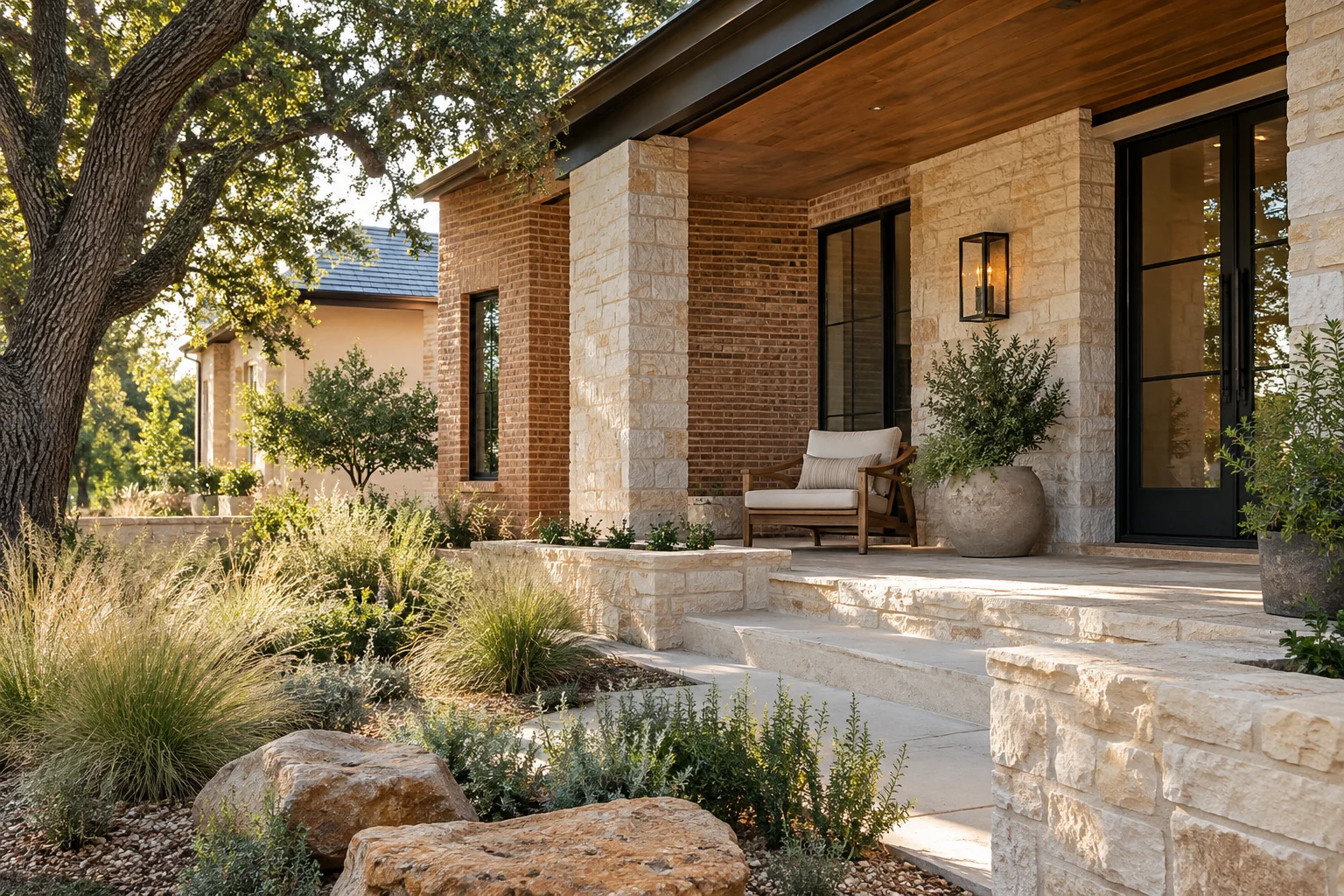
A small patio often begins as a collection of aspirations. We envision a place for morning coffee, a spot for evening cocktails with neighbors, and a quiet corner for a summer novel. However, when the physical footprint is constrained, these competing desires can result in a space that feels cramped rather than curated. The most effective way to approach a small outdoor area is to decide what the space is meant to do, rather than trying to make it do everything.
The Tradeoff of Versatility
Choosing a primary function requires a meaningful tradeoff. If you prioritize a dining setup, you might secure a sturdy table and chairs, but you may find there is no room for a lounge chair to lean back in. Conversely, a focus on conversation through soft seating might leave you without a flat surface for a meal. The decision rests on which routine you value most in your daily life.
For example, if a household decides that the patio is primarily a sanctuary for reading, they might invest in a single, high-quality armchair and a small side table. This choice leaves plenty of floor space to move around, but it makes hosting a group of four for dinner an impossibility. The goal is to select the furniture that supports your most frequent habit, rather than buying several pieces of lightweight furniture that only partially satisfy multiple needs.
Testing the Layout
Before committing to a purchase, use the existing space to test the flow. Moving furniture around is a low-stakes way to observe how different arrangements impact your movement. A table that looks perfect in a showroom might block the path from the back door once it is actually placed on the stone or concrete. Observe how much room remains for walking, how the shadows fall during your preferred hours of use, and whether the arrangement feels cohesive or merely crowded.
Navigating the Details
Once a primary use is established, the focus shifts to the logistics of the space itself. Small areas can feel even smaller if the transition between the interior and the exterior is not considered. Ask your contractor or property manager how the existing flooring integrates with the house and if any modifications are needed to ensure smooth passage.
When selecting pieces, ask the retailer how the materials are intended to be maintained in our local environment. If you are considering permanent additions like built-in planters or lighting, ask a professional what installation requirements apply and who would be responsible for the final setup. By deciding on a single, clear purpose—whether it is dining, reading, or conversation—you transform a patch of outdoor space into a functional extension of your home.