A single frame can anchor a memory or a project, yet the decision of which image to use often lingers longer than the initial inspiration. For those returning to a postponed creative endeavor—perhaps a memoir, a local history project, or a community archive—the task of selecting a photograph is rarely about finding the most beautiful shot. Instead, it is about weighing the weight of the story against the reality of the image's origins.
The weight of the visual narrative
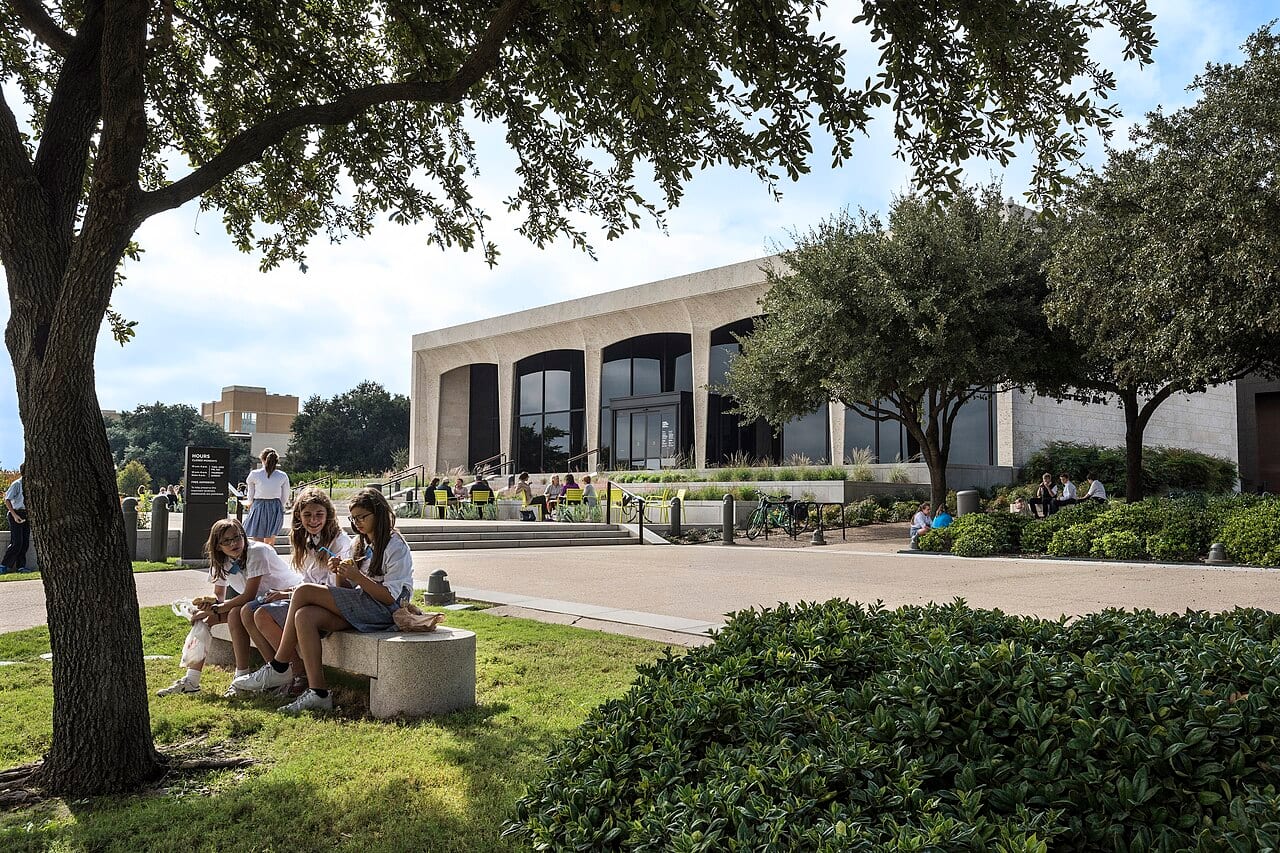
When you revisit an old project, you may find yourself drawn to a photograph that captures a specific, vanished corner of the metroplex. One image might possess a sharp, professional clarity that makes the scene feel immediate and undeniable. Another might be a grainy, candid snapshot that feels intimate and deeply personal. The tradeoff lies in the tension between technical polish and emotional resonance. A crisp image provides context and scale, while a softer, more amateur shot might better reflect the texture of a lived experience.
For example, if you are compiling a collection of stories about neighborhood changes, you might hesitate between a high-resolution landscape of a local park and a slightly blurred photo of a family picnic held in that same space years ago. The landscape offers a clear record of the setting, but the picnic photo offers a connection to the people who inhabited it. Neither is inherently better, but they serve different masters: one documents the place, while the other documents the routine.
Permissions and the people in frame
As you re-examine your archives, the human element introduces a layer of complexity beyond simple aesthetics. A photograph is not just a composition of light; it is a record of individuals and their presence in a moment. When a project moves from a private drawer to a public or semi-public format, the relationship between the photographer and the subject becomes central. You must consider whether the people captured in your chosen frame would recognize themselves in the context of your new work.
Ask yourself whether the intended use of the image aligns with the circumstances under which it was taken. A photo snapped during a private gathering carries a different social contract than one taken in a public square. If the project involves others, you might ask those depicted how they feel about the image being used to represent a larger narrative. This ensures the connection between the person and the story remains respectful.
Defining the final scope
The transition from a dormant idea to an active project requires a final determination on how much of your personal history you wish to share. If you are moving forward with a publication or a formal presentation, you may need to clarify the rights associated with your collection. Ask a legal professional what specific permissions are necessary for the way you intend to distribute your work. By deciding whether you prioritize the clarity of the scene or the intimacy of the connection, you can select an image that serves your story without compromising its integrity.