This is a paid partner contribution. Commercial relationships are disclosed so readers can distinguish sponsored content from editorial guides.
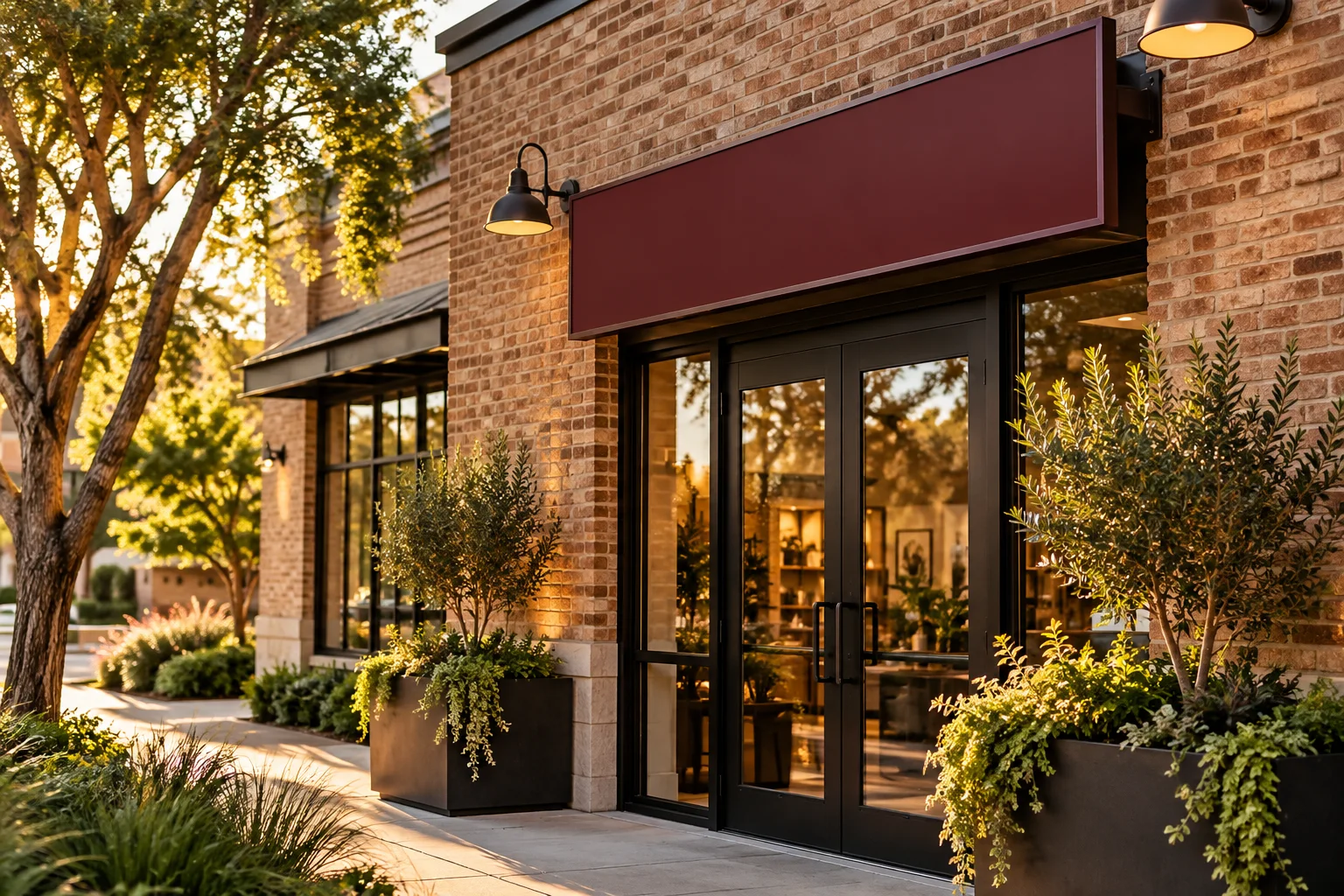
A blank storefront or an empty lobby presents a specific set of choices. Deciding how to communicate your brand to passersby involves more than picking a color; it requires balancing visibility, material durability, and the physical constraints of your location. When you prepare to meet with a professional about your visual identity, the quality of your conversation depends on the information you bring to the table.
Defining Your Visual Goals
Before sitting down to discuss sign design services Dallas, consider the specific environment where your signage will live. A sign intended for a high-traffic sidewalk serves a different purpose than one placed inside a quiet hallway. Think about the distance from which you want people to notice your message and the lighting conditions of the area at different times of the day.
For example, if you are looking to mark a temporary event, you might prioritize ease of setup and portability. If you are establishing a permanent presence, you might prioritize materials that withstand the local sun and weather. This creates a tradeoff: highly portable options may not offer the same long-term presence as fixed installations, while permanent fixtures require more careful planning regarding placement and attachment.
Gathering Site Details
Visual communication is deeply tied to the physical space it occupies. To make the most of a consultation, bring specific details about your site. This might include measurements of the walls, windows, or entryways where you intend to place your graphics. If you are looking for banners dallas, knowing the height of your mounting area is essential.
Photos of the space from multiple angles can be more helpful than a simple sketch. Seeing the surrounding textures, colors, and neighboring storefronts allows a designer to consider how your new elements will interact with the existing environment. Ask the professional how the dimensions and materials you have in mind will work within the specific layout of your building.
Asking Targeted Questions
A productive meeting is a two-way exchange. Rather than waiting for a professional to present a finished product, use the consultation to probe the details of the project. You might ask how a specific material is expected to hold up in your particular location or how the proposed design accounts for the light levels in your building.
It is also helpful to clarify the logistics of the project. Ask who would manage the installation and what that process involves for your daily operations. You may also want to ask how the design accommodates the specific branding elements you have already established. By arriving with these questions, you ensure that the resulting signage aligns with both your aesthetic vision and your practical needs.


