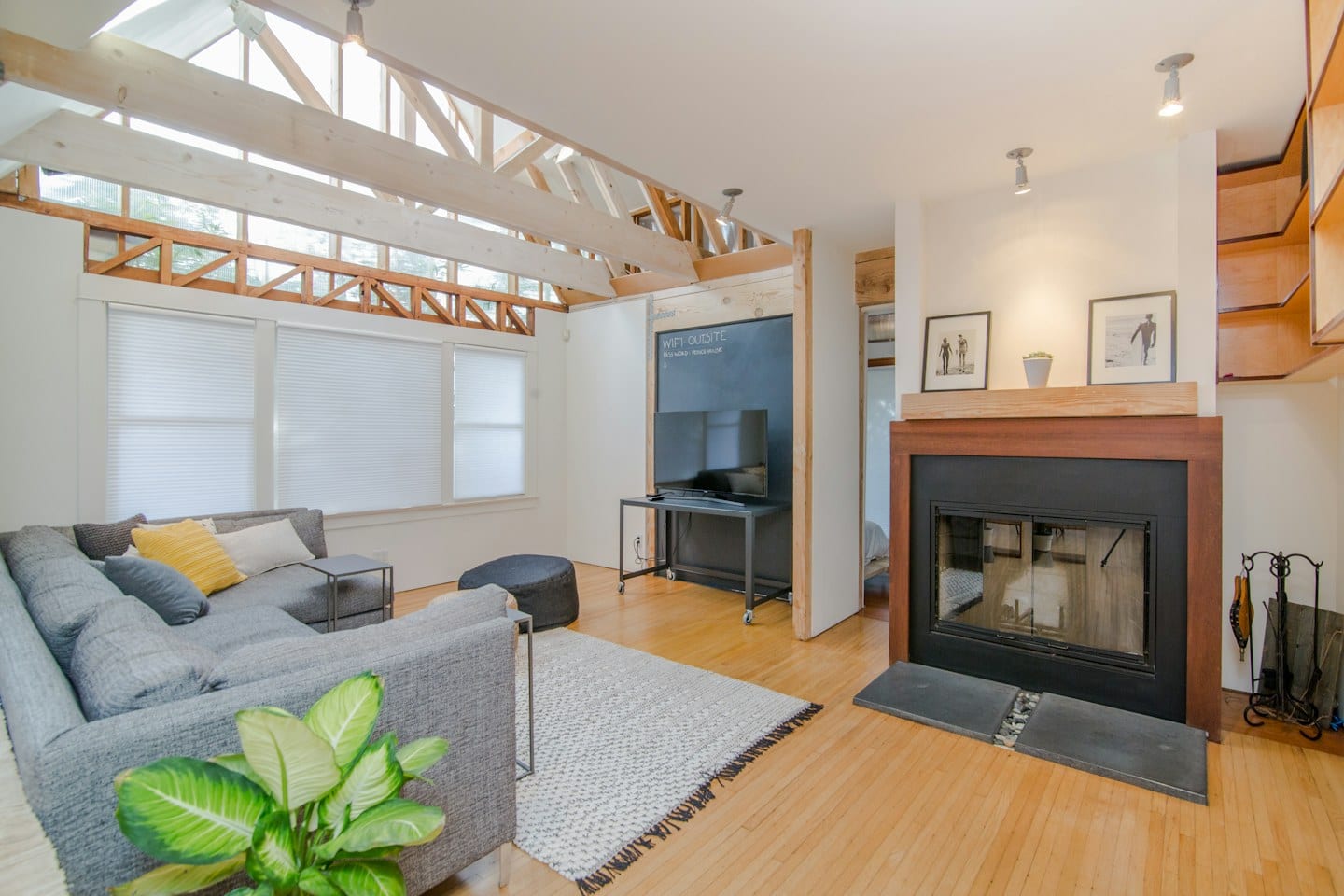
A single key and a set of rules often define the boundaries of a rental room. For many living in the Dallas metroplex, these spaces are transit points—stops on the way to a permanent house or a different neighborhood altogether. When you cannot paint the walls or drill into the floor, the challenge shifts to how you occupy the volume of the room without leaving a trace behind.
The Weight of Mobility
The most significant tradeoff in a rental is between permanence and portability. A heavy, solid oak dresser provides a sense of groundedness and ample storage, but it becomes a logistical burden during a move. Conversely, lightweight, modular shelving units offer ease of transport but may lack the visual weight needed to make a room feel finished. Choosing between these options depends on how long you intend to inhabit the space and how much physical effort you are willing to exert during your next transition.
Consider the utility of furniture that serves multiple purposes. A sturdy trunk can act as both a coffee table and a repository for seasonal clothing, while a desk with integrated shelving minimizes the need for extra floor space. These pieces allow you to layer your personality into the room through textiles, lighting, and art, rather than through structural modifications.
Organizing Without Alteration
Storage is often the primary hurdle in smaller rooms. Without the ability to install custom built-ins, you must look toward vertical solutions that stand on their own. Freestanding wardrobes or tension-mounted shelving can maximize height without requiring screws or nails. For those who find themselves sharing a common area or a multi-room suite, the decision of what to keep optional becomes even more pressing. You might find yourselves debating whether to invest in a large communal bookshelf or a series of smaller, individual organizers that can be easily reclaimed by each person.
For example, if a group of roommates is deciding how to furnish a shared living space, they might face a choice between purchasing one high-quality sofa that everyone uses or several smaller, individual armchairs. The sofa offers a cohesive look, but the armchairs provide personal territory that can be moved to different rooms as needs change. This decision requires weighing the desire for a unified aesthetic against the flexibility of individual ownership.
Navigating the Management Relationship
Before introducing any elements that might interact with the building's existing infrastructure, it is wise to seek clarity. If you are considering installing a heavy mirror with a temporary adhesive or a light fixture that plugs into an existing outlet, ask your property management team how such additions might be viewed. You might ask if there are specific guidelines regarding the types of mounting hardware allowed, or if they have preferences regarding where certain items can be placed. Understanding their perspective early can prevent unexpected complications when it comes time to vacate the premises.
Ultimately, a successful rental setup relies on selecting items that reflect your current lifestyle while respecting the constraints of the lease. By prioritizing versatile, freestanding pieces, you ensure that your home remains a place of comfort rather than a collection of obstacles.
